The Influence of Music on Self-Expression and Emotional Well-Being
Unlocking the Power of Sound
Music is a universal language that transcends barriers and speaks to the core of human existence. Its influence on self-expression and emotional well-being is profound, shaping our identities and enhancing our mental health. From the joy of a lively melody to the comfort of a soothing ballad, music impacts our emotions in remarkable ways, creating a deep-seated connection that can be felt by individuals across cultures and backgrounds.
How Music Shapes Our Lives
Music serves various roles in our lives, acting as:
- Therapeutic Tool: Many turn to music as a way to cope with stress, anxiety, and depression. For example, studies show that listening to classical music can lower blood pressure and anxiety levels. Music therapy, which involves using music to address emotional, cognitive, and social needs, has been effectively utilized in clinical settings to help individuals with mental health issues.
- Creative Outlet: Artists and individuals alike use music as a form of self-expression, conveying emotions that words alone often cannot. For example, singer-songwriters frequently share their personal stories and struggles through their music, allowing listeners to relate and find solace in shared experiences.
- Community Builder: Shared musical experiences foster connection, creating communities that resonate with similar feelings and backgrounds. Whether it’s attending a concert, participating in a drum circle, or joining a choir, these communal experiences enhance interpersonal relationships and create lasting bonds.
Research has shown that music can elevate mood and even improve cognitive functions. Studies indicate that engaging with music can:
- Reduce symptoms of mental illness: Regular exposure to music can significantly improve symptoms of anxiety and depression, often serving as a natural antidepressant.
- Enhance supportive social relationships: Participating in musical activities often leads to new friendships and connections, offering a sense of belonging and community.
- Facilitate personal introspection: Many individuals use music as a tool for self-reflection, finding clarity in lyrics and melodies that resonate with their personal journeys.
Understanding the depth of music’s impact invites us to explore its various dimensions. From providing relief during difficult times to enhancing joyful moments, music serves as a soundtrack to our lives. As we dive deeper into this soundscape, we will uncover both scientific insights and personal anecdotes that highlight the remarkable connection between music, self-expression, and emotional well-being. The importance of music in human life cannot be overstated; it is a powerful tool that can transform our mental landscape, helping us navigate through both the storms and calm of our emotional experiences.
DISCOVER MORE: Click here to uncover the therapeutic benefits of journaling
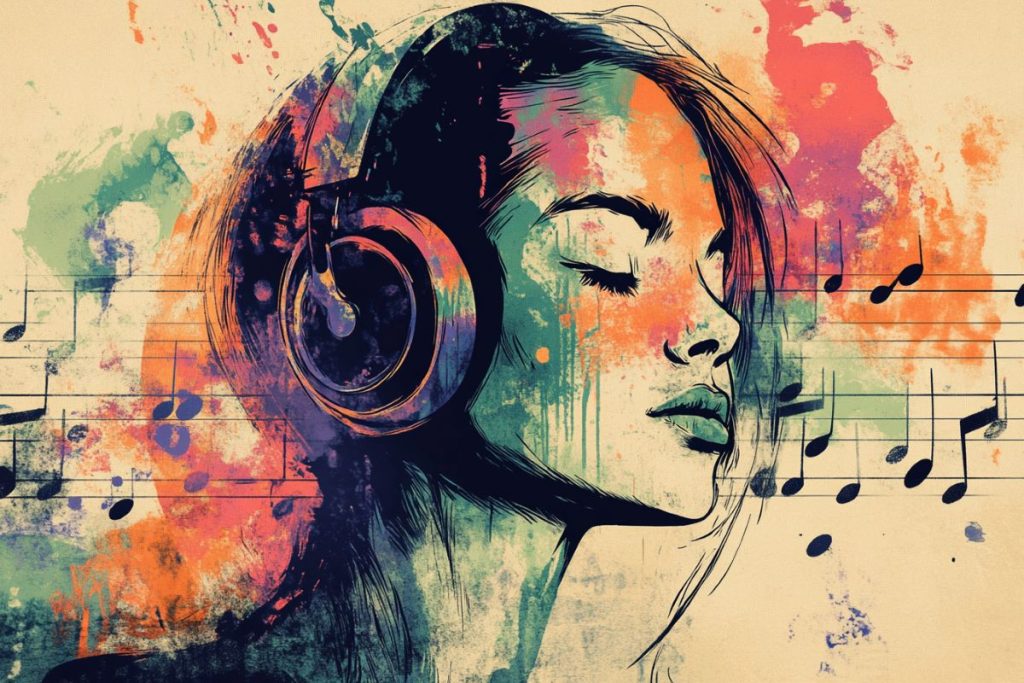
The Healing Harmonies of Music
Music is more than mere entertainment; it has long been recognized as a profound influence on our self-expression and emotional well-being. Individuals turn to music not only as a source of enjoyment but also as a vital outlet for emotions, helping to articulate feelings that may be difficult to express in words. The relationship between music and our psyche is intricate and multifaceted, contributing to the overall quality of life for many.
The Psychological Effects of Music
At the core of music’s impact lies its ability to evoke a range of emotions, from elation to melancholy. This emotional response is not purely subjective; psychological studies reveal that music stimulates a release of neurotransmitters such as dopamine—often referred to as the “feel-good” chemical. The act of listening to or creating music can trigger emotional experiences that enhance mood and foster a greater sense of well-being.
- Empowerment through Expression: For many, composing or performing music serves as a cathartic release. This can be seen in various genres, where artists reflect on personal struggles, social issues, and transformative experiences. For instance, hip-hop artists often address societal inequalities while channeling their frustrations into powerful lyrics, creating a voice for the marginalized.
- Connection to Memories: Music has a unique ability to trigger memories, often tied to specific times, places, and emotional states. Listening to a particular song might transport someone back to a cherished moment in their life, thereby reinforcing positive feelings and memories associated with that song.
- Reducing Anxiety: Research supports that certain types of music, such as calming instrumental tracks or soothing nature sounds, can significantly lower cortisol levels—the hormone associated with stress. Individuals suffering from anxiety often find comfort in creating playlists tailored to their emotional needs.
Furthermore, music provides a communal experience that enriches personal well-being and social interaction. Concerts, music festivals, and community jam sessions enable participants to bond over shared experiences, fostering a sense of belonging. Testimonials from concertgoers often highlight feelings of unity and joy when engaging with others through music, emphasizing its role as a social glue that brings disparate individuals together.
Cultural and Individual Differences
Despite the universality of music, individual and cultural differences greatly shape how it is experienced and utilized for self-expression and emotional support. Cultural backgrounds influence musical preferences, with individuals often gravitating toward genres that resonate with their personal identities or life experiences. For instance, country music’s storytelling approach may appeal more to those with roots in rural America, while jazz’s improvisational nature might attract others seeking spontaneity and creativity. Recognizing these cultural contexts is crucial as we appreciate the diverse ways in which people harness music for their emotional and expressive needs.
As we delve deeper into the intricate relationship between music, self-expression, and emotional well-being, we will uncover more about the scientific aspects that underpin these dynamics. From soothsaying lullabies to raucous anthems at celebrations, the influence of music on our emotional landscape is undeniable and worth further exploration.
| Category | Description |
|---|---|
| Therapeutic Effects | Music therapy can effectively reduce anxiety, improve mood, and enhance emotional expression. |
| Creative Outlet | Songwriting allows individuals to articulate their feelings, serving as a powerful means of self-discovery. |
| Mood Enhancement | Listening to music can elevate emotional states, offering solace during difficult times. |
| Connection with Others | Shared musical experiences foster connections and strengthen social bonds, contributing to emotional well-being. |
The influence of music extends beyond mere enjoyment; it serves as an essential tool for emotional navigation and self-expression. For instance, studies have shown that engaging with music can stimulate the brain’s reward center, leading to a release of dopamine, a neurotransmitter associated with pleasure. In settings such as music therapy, individuals find a unique avenue to articulate emotions they may struggle to express verbally. This capacity to transform feelings into melodies acts to validate personal experiences, allowing for profound self-reflection.Moreover, creating music offers an escape from reality, granting individuals the freedom to explore their intrinsic emotions. Whether it’s through writing lyrics or composing instrumentals, personal creativity intertwines with therapeutic properties, enhancing overall mental health. The communal nature of music further establishes its influence; attending concerts or engaging in music-based activities creates a sense of belonging, nourishing the human need for connection.
DISCOVER MORE: Click here to learn how handicrafts can boost creativity in children
The Transformative Power of Music in Daily Life
In exploring the influence of music on self-expression and emotional well-being, we cannot overlook its role in shaping daily routines and enhancing personal experiences. From energizing morning playlists to soothing melodies for relaxation, music is increasingly integrated into the fabric of our lives, providing not only pleasure but also psychological benefits.
Music as a Tool for Mindfulness and Relaxation
Contemporary mindfulness practices often incorporate music as an essential element. Research indicates that mindful listening—the practice of fully engaging with and appreciating music—can significantly reduce stress and anxiety levels. Sounds like classical or ambient music can create a serene atmosphere that facilitates meditation and helps quell racing thoughts. A study published in the journal Psychological Science found that participants who listened to calming music during guided mindfulness sessions reported lower anxiety and higher emotional well-being.
- Creating Personal Soundtracks: Many individuals curate personalized playlists that serve as emotional soundtracks for different activities in their lives. For example, a playlist designed for workouts may feature high-energy tracks that boost motivation, while a selection of soft acoustic songs might accompany a quiet evening of reflection. This conscious effort in selecting music that resonates with one’s current mood enhances both functionality and emotional expression.
- Songwriting as a Therapeutic Outlet: The act of songwriting can serve as an intimate form of self-exploration. It encourages individuals to delve into their thoughts and emotions, transforming their experiences into lyrics and melodies. Many therapists now incorporate music composition into their practices to help clients articulate their feelings. A study in the journal Arts in Psychotherapy highlighted that participants who engaged in songwriting reported insights about emotional distress and improved coping mechanisms.
- Music in Therapy: The rise of music therapy as a professional discipline underscores the profound benefits of music in emotional health. Music therapists employ tailored interventions, including listening, songwriting, and performance, to address mental health issues across diverse populations. Individuals suffering from depression, PTSD, or even autism spectrum disorders have shown remarkable progress in emotional expression through structured musical engagement.
The Social Context of Musical Experiences
Music is inherently social, creating shared experiences that enhance emotional well-being. Platforms like Spotify and YouTube enable listeners to discover not only new genres but also connect with communities of fans around the world. This connectivity allows people to share their playlists, discuss meanings behind lyrics, and attend virtual music events, thereby enhancing the sense of belonging.
Moreover, sing-alongs—whether spontaneous or organized—serve as a vital means of social bonding. Group singing in various environments, such as churches, community centers, or camps, enables participants to feel supported, uplifted, and validated in their emotional experiences. Singing releases endorphins, which promote feelings of happiness, reinforcing the positive impacts of collective musical activities.
In both therapeutic and social settings, the influence of music on self-expression and emotional well-being is evident. It remains a dynamic force with the capacity to foster emotional healing, build connections, and create memorable experiences, thus enriching our everyday lives in ways that are increasingly recognized and valued. As we continue to study music’s expansive impact, its relevance to self-care and emotional expression only grows more significant in our modern world.
DISCOVER MORE: Click here to delve deeper
Conclusion: The Lasting Impact of Music on Our Lives
As we have explored, the influence of music on self-expression and emotional well-being is profound and multifaceted. It not only serves as a personal escape or a therapeutic tool but also acts as a bridge between individuals, fostering community and shared emotional experiences. The integration of music into mindfulness practices and therapy highlights its ability to facilitate healing and promote mental health. In a world where emotional distress is increasingly prevalent, music emerges as a beacon of hope and resilience.
Moreover, custom playlists and social musical interactions allow individuals to navigate their emotions and find solace in shared experiences. The simple act of listening to or creating music can amplify feelings of joy, reduce stress, and enhance overall life satisfaction. As we uncover more about the connections between music, emotional health, and community engagement, it becomes evident that music is not merely an art form but an essential component of our daily lives.
In light of these findings, it is essential for individuals and communities to embrace music as a vital resource for enhancing emotional well-being and fostering authentic self-expression. By promoting accessibility to music education and therapy, we can harness the transformative power of music to enrich lives across diverse populations. Ultimately, the rhythms and melodies that resonate with us can lead to deeper self-understanding, improved emotional health, and a collective sense of belonging in an increasingly fragmented world.