The Role of Local Communities in Supporting Independent Performing Arts
The Role of Community in Independent Performing Arts
In the heart of America’s cities and towns, independent performing arts emerge as vibrant expressions of local culture. This is particularly evident in areas where communities actively support their artists, fostering a rich array of performances that might otherwise struggle to find their footing. Small theaters, indie productions, and grassroots organizations become platforms where creativity flourishes, showcasing the immense talent and dedication of countless artists. The viability of these artistic ventures, however, deeply depends on the unwavering support from their communities.
Independent performing arts include a diverse range of expressions, each contributing uniquely to the cultural landscape. For instance:
- Theater productions range from intimate one-act plays in community centers to full-fledged musicals performed in local theaters. These performances often feature themes that resonate with the experiences and stories of the community.
- Dance performances showcase a variety of styles, from contemporary dance troupes to traditional folk dances that reflect cultural heritage. Community dance festivals can serve as a celebration of this variety, attracting residents and visitors alike.
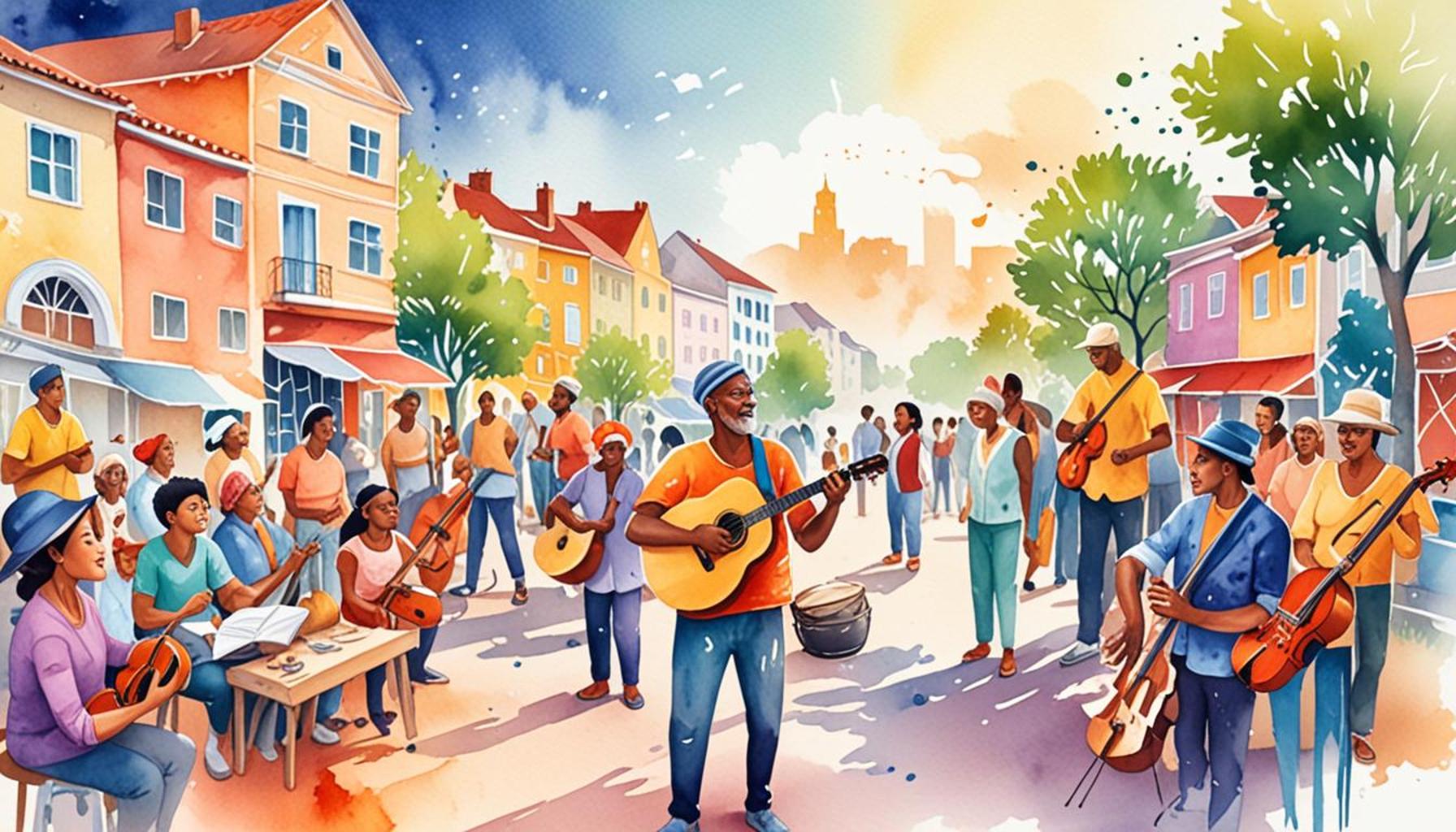
- Music showcases feature local musicians and bands, often highlighting genres unique to their region, such as bluegrass in the Appalachian areas or jazz in cities like New Orleans. Events such as local music festivals allow communities to engage directly with artists.
- Spoken word events bring together poets and storytellers who explore social issues, personal narratives, and cultural identity, often in local cafes or arts spaces, creating intimate and inspiring environments.
The success of these forms lies heavily on the network of shared values and collaborative efforts nurtured within local neighborhoods. Communities have a pivotal role in sustaining these art forms by:
- Providing audience engagement: Attendance and participation in performances foster a thriving arts scene. The more community members support local events, the more these arts can evolve and flourish.
- Offering financial resources: Donations, sponsorships, and ticket sales are crucial in ensuring that performances can take place. Local businesses often play a significant role, providing financial backing in exchange for visibility.
- Creating partnerships: Collaborations between artists, community organizations, educational institutions, and even local governments can enhance resources and outreach efforts, allowing for innovative programming and projects.
- Supporting publicity and promotion: Grassroots marketing, word of mouth, and local media coverage can significantly boost visibility for independent performances. Local newspapers and social media platforms often highlight upcoming events, generating excitement and interest.
As the landscape of the United States continually evolves, nurturing this symbiotic relationship between local communities and independent arts remains imperative. This interdependence not only enriches the cultural fabric of society but also empowers artists to push forward in their creative journeys. The local support they receive can turn dreams into reality, enabling diverse voices to be heard and celebrated. Curious individuals can explore local schedules, discover new talents, and become a part of this vibrant landscape, deepening their own connection to the heartbeat of their community.
DIVE DEEPER: Click here to discover the therapeutic power of journaling</p

The Impact of Local Communities on Independent Performing Arts
The relationship between local communities and independent performing arts serves as a dynamic ecosystem that nurtures creativity and engagement. In towns and cities across the United States, independent artists find their footing through a robust support system built on shared passions and interests. This mutual investment helps to create artistic spaces where every voice can resonate, revealing the profound impact local communities have in fostering independent artistry.
At the forefront of this support are local venues—often small theaters, community centers, art galleries, and pop-up spaces—that provide the necessary infrastructure for performances. These venues not only serve as physical locations for artistic expression but also act as cultural anchors for their neighborhoods. By hosting a variety of events, community spaces become cultural hubs where individuals gather to experience diverse forms of artistic expression. Furthermore, the participation of local residents contributes to the energy and vibrancy of these performances, creating a unique atmosphere that is both communal and intimate.
Community involvement directly correlates to the sustainability of independent performing arts. When residents take an active role in attending performances, volunteering, or even providing sponsorship, they play a critical role in ensuring that these initiatives can continue. The engagement from locals not only fuels the financial capabilities of independent artists through ticket sales and donations but also offers invaluable feedback and encouragement that guide artists in their creative journeys.
- Audience participation is crucial; people who attend performances become part of the narrative, offering artists the opportunity to connect with their work on a deeper level.
- Volunteerism sustains artistic organizations; community members who lend their time and skills help reduce operational costs, allowing more resources to be directed towards creative endeavors.
- Donations and sponsorships from local businesses enhance funding for productions, showcasing the business’s commitment to local culture while establishing a customer base that appreciates the arts.
- Participation in community surveys and public forums can give artists insight into the artistic preferences of their audience, shaping future productions to resonate more deeply with local interests.
Moreover, the potential for collaborative projects between artists and community organizations cannot be overlooked. Local high schools and colleges frequently partner with independent artists, providing a platform for educational workshops, mentorship programs, and collaborative performances. These partnerships not only spread awareness of independent arts but also involve young people in the creative process, ensuring that the next generation appreciates and contributes to the local cultural landscape.
The evolving artistic narratives emerging from independent performers increasingly reflect the diversity and complexity of their communities. As local artists tackle themes pertinent to their neighborhoods—such as social justice, cultural identity, and community struggles—they create performances that resonate with community members. This phenomenon not only draws audiences but also invites them to engage in meaningful dialogue about shared experiences and values. Understanding the intricate role local communities play in supporting independent performing arts allows for appreciation of the collective power of cultural expressions and the impact they have on social cohesion and identity.
| Community Engagement | Support Networks |
|---|---|
| Fostering Creativity | Shared Resources |
| Local audiences engage with independent artists, enhancing the creative process and incorporation of community themes. | Communities often provide space, funding, and manpower, crucial for productions that may not have institutional backing. |
| Social Cohesion | Volunteer Opportunities |
| The involvement in local arts strengthens social bonds and builds a greater sense of community identity. | Volunteering for performances creates connections and a proactive environment, empowering community members and leading to enriched experiences. |
The role of local communities extends beyond merely consuming art; they become essential players in its creation and sustainability. Through initiatives designed to uplift independent performing arts, communities foster a culture that emphasizes creativity and a sense of belonging. This significance is reflected in how shared resources amplify the impact of each performance, whether that’s through local venues or funding mechanisms that encourage artistic growth. Moreover, as social structures tighten, their influence in supporting local artists becomes increasingly vital. By weaving intricate networks of support that include volunteer opportunities and resource-sharing strategies, they ensure that independent artists are not isolated entities but rather integral components of the cultural fabric.
DISCOVER MORE: Click here to learn about the impact of crafts on cultural preservation
Fostering Creative Networks and Innovation
Local communities not only sustain independent performing arts through active participation but also foster creative networks that amplify artistic innovation. These networks serve as vital conduits for collaboration, allowing artists to share resources, ideas, and inspiration. In many urban areas, grassroots organizations play a pivotal role in this ecosystem, facilitating connections among local performers, artisans, and musicians. Such networks pave the way for collaborative projects that bring together talents from diverse backgrounds, thus enriching the cultural tapestry of the community.
In cities like New York and San Francisco, community-driven initiatives have resulted in the formation of vibrant collectives that challenge traditional norms of theatrical expression. Artists are now more likely to experiment with innovative formats, blending various art forms to create multidimensional experiences. For instance, events like “Fringe Festivals” hosted in numerous cities allow independent artists to showcase their work, giving them access to a broader audience while inviting feedback and interaction with the community. This blend of creativity and community support leads to performances that are not only artistically rich but also reflective of the shared values and narratives within the local populace.
Furthermore, local businesses often engage in partnerships with artists, truly harnessing the synergy between commerce and culture. Coffee shops, restaurants, and local retailers frequently host open mic nights, art exhibits, and theatrical performances, transforming everyday spaces into venues for artistic expression. Such collaborations benefit businesses by attracting customers who appreciate the arts, while providing artists with platforms to gain visibility and promote their work. For instance, the “Art Walks” staged in cities like Santa Fe and Portland help solidify the relationship between local businesses and the performing arts, creating a win-win situation that enhances community dynamics.
Moreover, the involvement of local communities can amplify the outreach of performing arts through educational initiatives aimed at fostering appreciation for the arts among younger generations. Programs that integrate performing arts into school curricula engage students in creative learning experiences and cultivate passion for theater, dance, and music from an early age. Organizations such as Young Audiences Arts for Learning provide resources that enable artists to connect with schools, nurturing creativity while reinforcing the importance of the arts in educational settings. This encourages a culture of participation that can bridge generational gaps, paving the way for continued support of independent arts in the future.
In addition to educational efforts, community-driven festivals serve as major platforms for showcasing independent artists, enabling them to gain recognition and reach wider audiences. Events like the Edinburgh Festival Fringe or the Austin City Limits Music Festival provide independent performers with vital exposure. These festivals not only fulfill the cultural appetites of local residents but also attract tourists, infusing communities with economic benefits that can help sustain the vibrant performing arts scene.
- Innovation thrives in partnerships; collaborations yield fresh perspectives and cross-genre exploration, allowing artists to push the boundaries of their craft.
- Business involvement is instrumental; local businesses acting as sponsors or venues create a symbiotic relationship that fosters both economic vitality and cultural richness.
- Educational initiatives inspire youth; encouraging young people to engage with the arts ensures the continuation of a supportive community as they grow.
- Community festivals elevate visibility; allowing independent artists to flourish in a supportive environment while boosting local economies.
Overall, the intricate network of collaborations and connections formed within local communities serves as the bedrock upon which independent performing arts thrive, leading to rich, diverse artistic pursuits that reflect the collective spirit of the people they represent. The interplay between community involvement and artistic endeavor enriches lives, creating a culture where independent performing arts are not only supported but celebrated as a vital aspect of community identity.
DIVE DEEPER: Click here to discover essential tools for beginners
Conclusion: The Vital Connection Between Community and Arts
In summary, the role of local communities in supporting independent performing arts is undeniably profound. From fostering creative networks that drive innovation to providing vital platforms for visibility, communities serve as the backbone of the artistic landscape. As the intersection between culture and commerce becomes increasingly significant, local businesses contribute to this dynamic by nurturing relationships that enhance both the arts and local economies.
Moreover, the active involvement of communities in initiatives such as educational programs and community festivals not only cultivates a deeper appreciation for the arts among youth but also secures a future where independent artists can thrive. By promoting a collective identity that resonates with shared experiences and stories, communities elevate the importance of performing arts, marking them as pillars of cultural expression.
As the performing arts continue to evolve in response to societal changes, it is essential to recognize and support these local efforts. The symbiotic relationship between community engagement and artistic expression is critical, illustrating how every performance, workshop, or festival can reflect the heart and soul of a community. Encouraging further dialogue and collaboration can only strengthen this support system, ultimately ensuring that independent performing arts not only survive but flourish in vibrant, diverse settings. In an era where connection is more crucial than ever, the spotlight shines brightly on local communities, champions of independence and creativity.