The Importance of Handicrafts in the Preservation of Indigenous and Traditional Cultures
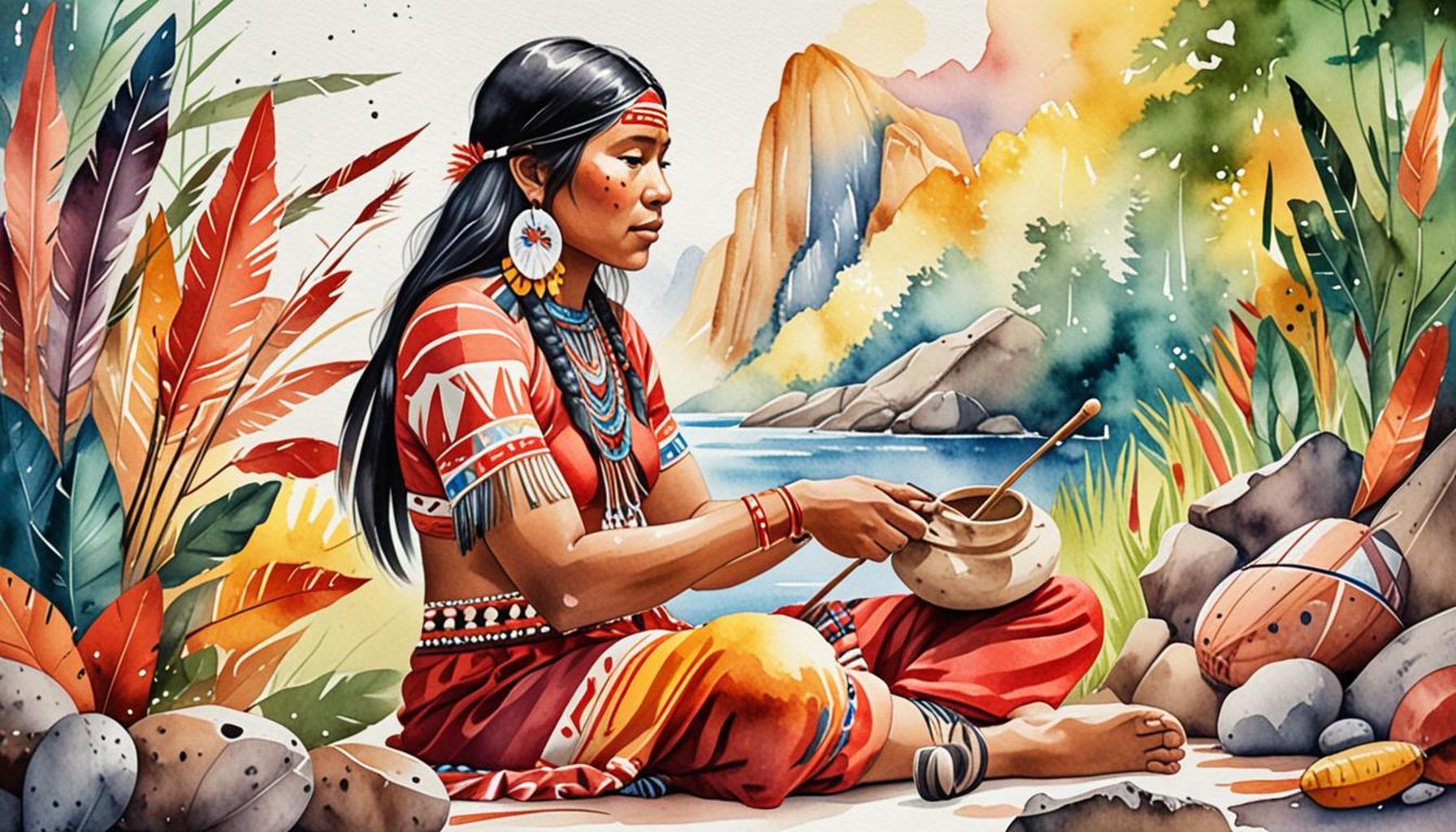
The Role of Handicrafts in Cultural Preservation
In a world increasingly dominated by mass production and digital technology, handicrafts serve as a vital link to our past. These unique creations go beyond functionality; they encapsulate the stories, values, and skills of indigenous and traditional communities. By delving into handicrafts, we can uncover the rich narratives that shape our cultural heritage and understand the broader cultural tapestry we all share.
Connection to Identity
Handicrafts are a powerful reflection of the cultural identity of a community. For instance, Navajo weavings are not just decorative items but are laden with symbolism and history, representing spiritual beliefs and community stories. Similarly, the intricate patterns of African kente cloth convey messages regarding social status and history, each color and design having distinct meanings. Such items foster a sense of pride and belonging, reminding communities of their roots while also sharing their stories with a broader audience.
Generational Knowledge
The techniques used in creating handicrafts are often passed down through generations, embodying a lineage of skills and art. In India, for example, the art of pottery from the region of Khurja has been honed over centuries, with families meticulously preserving techniques that could otherwise be lost. In many cases, apprenticeships among family members reinforce the transfer of knowledge, creating a rich bonding experience while ensuring the continuation of cultural practices.
Economic Viability
Supporting handicrafts can greatly enhance the economic stability of indigenous artisans. In the United States, organizations like the Southwest Association for American Indian Arts provide platforms for artisans to showcase and sell their work, thus promoting both cultural preservation and economic empowerment. By purchasing handmade goods, consumers directly contribute to the sustainability of artisan communities, allowing them to thrive in an era of globalization.
Forms of Artistic Expression
Handicrafts encompass various forms of artistic expression, including:
- Textiles and weaving: This includes techniques such as dyeing, knitting, and embroidery, showcasing intricate patterns and vibrant colors that often represent cultural stories.
- Pottery and ceramic crafts: From traditional Native American pottery to the delicate porcelain of Chinese ceramics, these objects often carry functional and aesthetic value, embodying the artistry of their makers.
- Woodwork and carving: Craft traditions such as the totem poles of Native Alaskans or the intricate carvings of Hawaiian wooden crafts showcase the diversity of human creativity.
- Beadwork and jewelry design: This form of handicraft often involves elaborate patterns and materials that highlight cultural significance and promote individual expression.
Preserving these art forms is essential for maintaining cultural diversity in an increasingly homogenized world. As global influences blend into one another, recognizing the importance of handicrafts can promote a deeper appreciation for the rich heritage they represent. This exploration is just the beginning of understanding how handicrafts contribute to the preservation of indigenous and traditional cultures. By engaging with and supporting these artistic expressions, individuals not only foster cultural appreciation but also help keep these meaningful traditions alive for future generations.
DIVE DEEPER: Click here to explore the evolution of performing arts
The Intricate Connection Between Handicrafts and Cultural Heritage
Handicrafts are not merely objects; they are embodiments of history, identity, and artistry woven over generations. The intricate relationship between handicrafts and cultural heritage is profound, as each handcrafted item tells a story that reflects the beliefs and practices of indigenous and traditional communities. In many parts of the world, including the United States, handicrafts provide a window into the soul of a culture, revealing connections that transcend time and geography.
The Power of Storytelling through Craft
Every piece of traditional art carries the weight of stories that have shaped the identity of its creator. For example, the stunning quillwork of the Sioux Nation is not just decorative, but each design pays homage to family heritage and spiritual connections. Such crafts serve as conduits of storytelling, allowing artisans to convey their ancestors’ wisdom and cultural narratives to the present and future generations. This storytelling aspect of handicrafts helps keep languages and traditions alive, as the artisans often explain the meanings behind their creations.
Handicrafts in Cultural Revitalization
As globalization spreads its influence, many indigenous cultures face the threat of diminishing traditions. However, the resurgence of interest in handicrafts has sparked a cultural revitalization movement. Initiatives that encourage the younger generation to participate in traditional craft-making are on the rise. For instance, programs across the U.S. aimed at teaching Native American youth traditional weaving techniques not only preserve skills but also strengthen community bonds and reaffirm cultural identities.
Educational Impact
Handicrafts also play a crucial role in education, serving as a tool for learning about cultural heritage. Schools that integrate arts and crafts into their curriculum expose students to the diverse practices and histories of indigenous communities. Workshops and cultural exchanges allow students to engage hands-on with the art forms of their peers, creating an enriching educational experience that promotes understanding and appreciation. By learning about traditional methods, students foster respect for cultural diversity and recognition of the skill involved in these crafts.
The Global Marketplace and Cultural Exchange
Today, the demand for authentic handicrafts in the global marketplace has increased, steering attention back to the artisans behind these creations. This not only helps preserve traditional techniques but also opens doors for cultural exchange. Tourists who purchase locally made crafts support artisans directly, providing a sustainable income. This economic incentive nurtures the ongoing practice of handicrafts while allowing cultures to showcase their unique artistry to the world.
- Promotion of local artisans: Buying handicrafts gives direct financial support to local communities and encourages the continuation of cultural practices.
- Tourism opportunities: Cultural tourism focused on traditional crafts can help communities thrive, fostering pride among artisans.
- Cultural awareness: Enhanced focus on handicrafts cultivates greater awareness and appreciation for indigenous cultures among consumers.
Overall, the significance of handicrafts in the preservation of indigenous and traditional cultures cannot be understated. These art forms serve not only as a means of expression but also as vital links to identity, history, and community. As we recognize the importance of these tangible connections to our past, we inspire efforts to preserve and promote these invaluable cultural legacies for future generations.
| Cultural Significance | Community Impact |
|---|---|
| Preservation of Stories | Job Creation: Handicrafts can stimulate local economies. |
| Transmission of Knowledge: Each piece often carries historical significance. | Community Cohesion: Craft-making can foster unity among artisans. |
In exploring the theme of “The Importance of Handicrafts in the Preservation of Indigenous and Traditional Cultures,” it becomes evident that handicrafts are not merely items for sale; they are integral to cultural identity. They serve as vessels of stories reflecting the heritage and experiences of communities. Through the intricate designs and techniques employed, artisans pass down ancestral knowledge—a form of history that words alone may fail to capture.Moreover, engaging in the craftwork helps to promote job creation within the community, providing income to families and fostering local economies. This economic boost is essential for sustaining traditional practices and ensuring that these cultural legacies are not lost to modernization. Furthermore, communal craft-making activities not only lead to the production of unique artisanal goods but also forge a sense of community cohesion, bringing individuals together to share skills and collaborate, thereby strengthening social ties. Understanding these layers of significance illuminates why the preservation of handicrafts is critical to maintaining the rich tapestry of indigenous cultures around the globe.
DIVE DEEPER: Click here to discover the therapeutic benefits of journaling</p
Handicrafts as a Bridge Between Generations
The transmission of indigenous and traditional knowledge is crucial for cultural survival, and handicrafts play an integral role in this process. These traditional crafts serve as a bridge that links generations, allowing older artisans to mentor younger community members in the skills and techniques that have been passed down through time. In many indigenous communities, these skills are not merely taught but are shared within the context of storytelling, ceremonies, and communal gatherings, creating a rich tapestry of shared experiences that reinforces cultural identity.
The Role of Festivals and Craft Fairs
Festivals and craft fairs dedicated to traditional handicrafts offer critical platforms for cultural exchange and revival. Events such as the Santa Fe Indian Market in New Mexico showcase indigenous artists from across the United States, presenting their work to the public and encouraging a dialogue about the importance of cultural heritage. During these festivals, artisans not only sell their crafts but also engage with visitors, educating them about the cultural and historical significance of their work. This interaction often leads to a greater appreciation of indigenous traditions, encouraging attendees to support such practices not only through purchases but also by promoting awareness and respect.
Digital Age and Handicrafts
In an era dominated by technology, the digital revolution has offered a new avenue for artisans to showcase their work and cultural stories. Online marketplaces and social media platforms have enabled indigenous craftsmen to reach global audiences, increasing visibility and sales. For example, platforms like Etsy have become popular for artisans to sell their handicrafts, providing both a source of income and a means to raise awareness about their culture. Moreover, communities can now share their narratives in engaging ways through video content, virtual exhibitions, and interactive blogs, ensuring that the stories tied to their crafts resonate with a wider audience.
Challenges Faced by Handicraft Artisans
However, the journey to preserving these indigenous crafts is not without challenges. One significant risk is the commercialization and appropriation of traditional designs and techniques, often leading to a dilution of cultural significance. Many artisans face difficulties in competing with mass-produced items that flood the market at lower prices. To counter this, some programs and cooperatives are advocating for fair trade practices that support artisans while ensuring that they receive a just living wage for their craft. These initiatives create a sustainable economic model that protects both the artisans and the cultural practices associated with their work.
Empowerment through Craft
Handicrafts empower individuals within their communities by promoting self-sufficiency and enhancing social status. The skillful creation of handicrafts elevates artisans to prominent cultural representatives, offering them a platform for their voices. Women, for instance, have often been vital contributors to traditional handicrafts, and initiatives focused on female artisans have demonstrated that craft-making can lead not only to financial independence but also to leadership roles within their communities. Programs that promote women’s participation in traditional crafts can significantly impact cultural preservation by fostering a sense of pride and responsibility toward their heritage.
As communities recognize the invaluable role that handicrafts play in the continuation of their cultural narratives, they foster resilience against the forces of globalization. By weaving stories into each item, artisans contribute to an ongoing dialogue about identity, belonging, and cultural significance, ensuring that indigenous and traditional practices remain vibrant for generations to come.
DISCOVER MORE: Click here to delve into the evolution of performing arts
Conclusion: Crafting Cultural Legacies
In conclusion, the importance of handicrafts in the preservation of indigenous and traditional cultures cannot be understated. They serve not only as a repository of cultural heritage but also as an actively woven narrative that connects past, present, and future generations. By facilitating the transfer of traditional skills and knowledge through mentorship, festivals, and digital platforms, handicrafts empower communities to reclaim and reinforce their identities in an increasingly globalized world.
Moreover, the challenges faced by artisans—ranging from commercialization to competition with mass-produced goods—highlight the critical need for communities and allies to advocate for fair trade practices and sustainable initiatives. These efforts not only support artisans but also contribute to the preservation of their unique cultural expressions. As we witness a growing appreciation for authenticity and artisanal craftsmanship, there lies a concurrent opportunity to elevate the status of these practices and foster a renewed respect for cultural diversity.
Ultimately, as individuals and societies recognize the value embedded in traditional crafts, they also become stewards of cultural heritage, championing the narratives that make these art forms significant. By engaging with and supporting handicrafts, we participate in the creation of a vibrant tapestry of human expression—one that honors the past and inspires future generations to embrace their roots.