Ceramics as a Form of Expression: From Traditional to Contemporary
Exploring the World of Ceramics
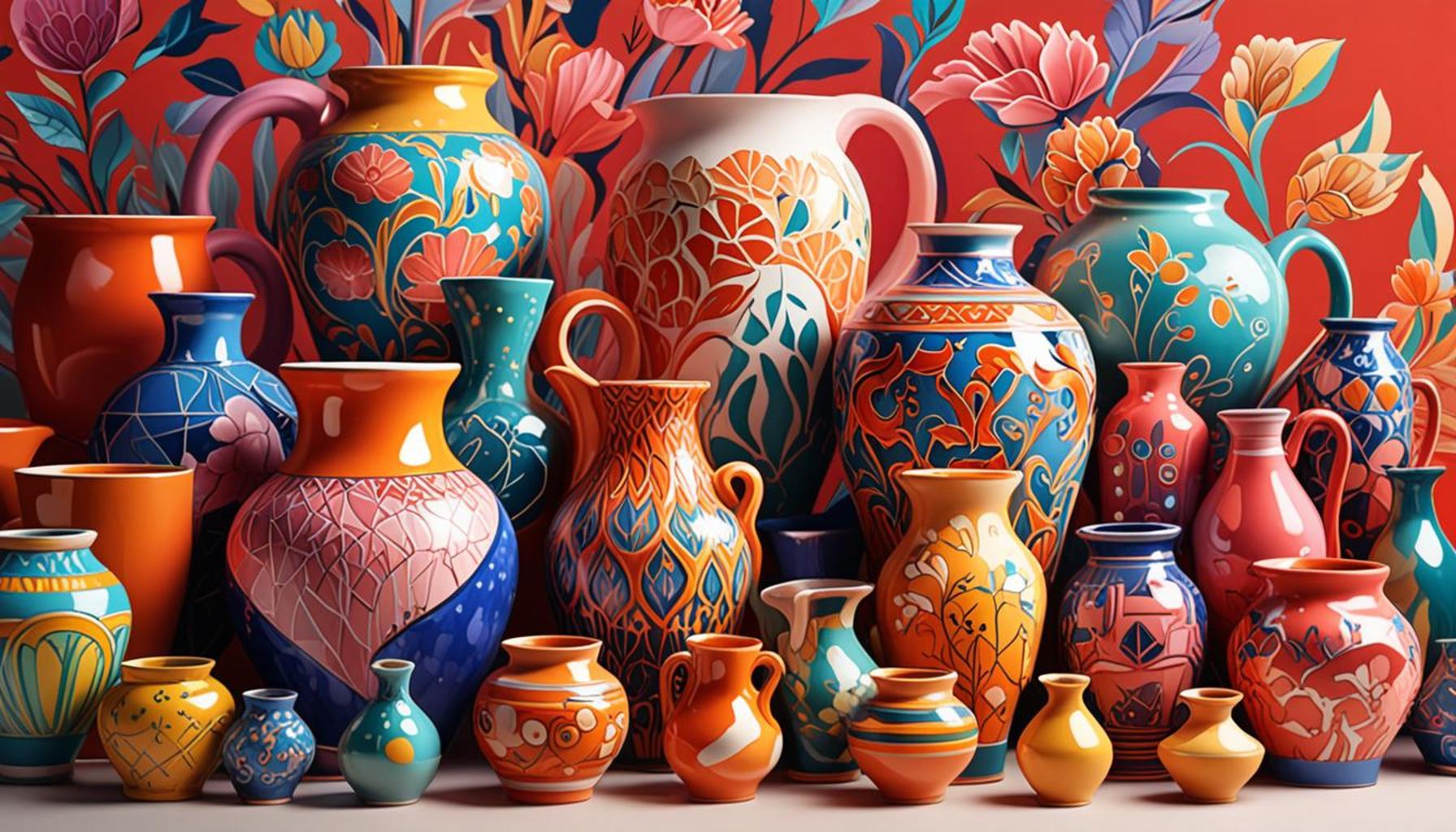
The art of ceramics is a captivating journey that intertwines functionality with aesthetic expression. Over millennia, this craft has transformed remarkably, transitioning from practical tools and vessels in ancient societies to captivating sculptures and installations that challenge our perceptions of art. This evolution reflects not only advancements in techniques but also the broader narrative of human expression and cultural identity.
Traditional Techniques play a crucial role in the history of ceramics, highlighting skills passed down through generations. Hand-building methods, such as coiling and pinching, allowed early artisans to create sturdy pots and intricate designs using only manual tools and their creativity. Meanwhile, wheel-throwing revolutionized the craft, enabling artists to produce uniform shapes with unparalleled precision. Ancient Mesopotamian and Chinese potters mastered these techniques thousands of years ago, laying the groundwork for ceramic art worldwide. Glazing techniques, developed to enhance the durability and aesthetic appeal of these objects, further underscore the blend of art and utility that ceramics embodies.
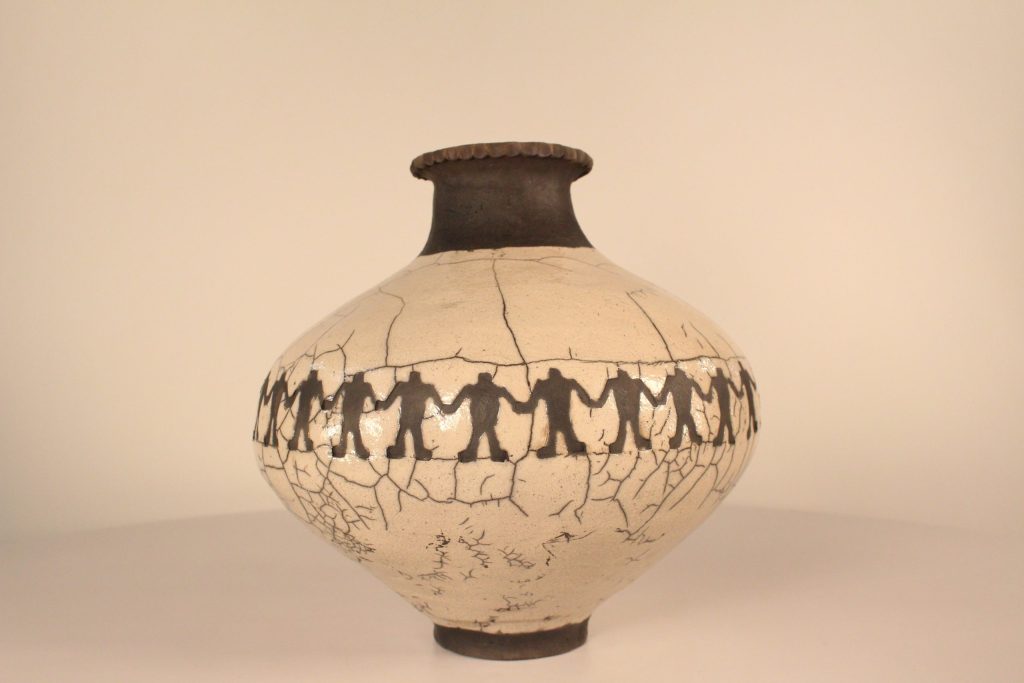
When examining Regional Variations, one finds a treasure trove of distinct styles that reflect diverse cultural heritages. The famed Japanese Raku pottery, for instance, emphasizes spontaneity and the unpredictability of the firing process, resulting in unique pieces that embody Zen philosophies. Similarly, Native American pottery, particularly from the Pueblo tribes, showcases intricate designs, often symbolizing stories, traditions, and connection to nature. These regional styles not only serve functional purposes; they also convey community beliefs and narratives, fostering a deeper appreciation for the cultures that create them.
In contrast, Contemporary Innovations push the boundaries of ceramics in ways previously unimaginable. Artists today harness modern materials, like resin and mixed media, to create dynamic pieces that may challenge the traditional definitions of ceramics. Digital technologies enable new methods of design, such as 3D printing, which offers exciting possibilities for form and intricacy. This melding of old and new allows contemporary ceramists to explore themes of identity, politics, and environmental issues, thereby transforming their work into platforms for social commentary.
Ultimately, the world of ceramics invites an examination of the complex interplay between art and life. Each piece, whether a humble mug or a grand sculpture, embodies a story—a reflection of cultural identity, emotional depth, and artistic innovation. As audiences engage with these works, they are encouraged to explore their own connections to the themes presented. In this dialogue between the viewer and the artist, ceramics emerge as a profound medium that transcends time and boundaries, making the mundane magnificent.
DIVE DEEPER: Click here for innovative crafting techniques
From Ancient Roots to Modern Movements
The journey of ceramics as an art form traces a profound timeline, linking the hands of ancient artisans to contemporary creators. At its core, traditional ceramics showcases the skill, heritage, and cultural significance inherent in this medium. Across the globe, potters have utilized local clay, crafting pieces that reflect the history and environment of their communities. For instance, the traditional blue-and-white ceramics from the Ming Dynasty demonstrate not only a distinctive style but a rich narrative of trade and cultural exchange. These pieces, adorned with intricate designs, served both practical uses and ceremonial purposes, acting as vessels of collective memory.
To further appreciate the roots of ceramic artistry, it’s vital to explore the techniques that have been honed over thousands of years. Key traditional methods include:
- Hand-building: This ancient technique involves sculpting clay without a pottery wheel, utilizing approaches such as pinching, coil construction, and slab building. Each hand-built piece is imbued with the artisan’s personal touch.
- Wheel-throwing: The invention of the potter’s wheel in around 3500 B.C. marked a significant advancement. This method allows for the creation of symmetrical, finely crafted vessels, which became staples in many ancient cultures.
- Glazing: The application of glaze not only provides a desired finish but also enhances the durability of ceramic pieces. Ancient civilizations discovered various mineral combinations that would yield stunning colors and textures.
These traditional methods have set the foundation for the artistry seen in contemporary ceramics. However, as societal values shift, the concepts surrounding ceramics have expanded to encapsulate innovation and expression. While regional variations demonstrate the cultural identities that are interwoven through this medium, contemporary ceramics constantly challenge these norms. The emergence of artists like Ai Weiwei has illustrated how ceramics can serve as a platform for deeper dialogue on pressing issues such as freedom, heritage, and societal challenges. His powerful use of traditional forms to deliver modern messages exemplifies the profound transformation of ceramics from mere craft to significant art form.
Moreover, within the United States, artists are forging new paths in ceramics. Institutions like the Pennsylvania Academy of the Fine Arts and renowned artist studios offer workshops that marry traditional techniques with contemporary concepts, encouraging a renaissance in ceramic expression. This blending of old and new compels practitioners to recognize their roots while dynamically engaging with today’s cultural climate.
The world of ceramics is not merely about creating aesthetically pleasing objects; it is a vibrant reflection of our histories, societies, and evolving identities. This interplay between the traditional and contemporary invites us to delve deeper into the narratives conveyed through clay, unveiling layers of meaning that resonate with diverse audiences.
Within the realm of ceramics, the journey from traditional craftsmanship to contemporary artistry embodies a rich tapestry of culture, innovation, and personal expression. As artisans explore the inherent properties of clay, they mold not just physical objects, but also narratives that resonate with historical significance and modern aesthetics. Traditional ceramics often depict cultural stories through intricate designs and techniques passed down through generations. These pieces, whether they are functional ware or decorative art, serve as artifacts that communicate the values and beliefs of their makers. For instance, Japanese Raku pottery emphasizes spontaneity and nature’s influence in its unique firing process, deeply rooted in Zen philosophy.In contrast, contemporary ceramics challenge these historical boundaries, embracing avant-garde techniques and unconventional materials. Artists today may employ technology, such as 3D printing, to push the limits of form and function. This innovation brings forth a dialogue between the past and present, where traditional methods coexist with modern experimentation. By incorporating elements like collage or mixed media, contemporary ceramists redefine the medium, heightening its relevance in today’s artistic landscape.Moreover, ceramics have become a medium for social commentary and personal expression. Artists utilize their work to address global issues such as climate change, gender identity, and cultural identity. Through ceramics, they create a space for discussion and reflection, inviting viewers to engage with the art on a deeper level. To further appreciate this art form, one must consider how the relationship between artist and material fosters a unique connection. The tactile nature of clay offers endless possibilities for expression, allowing artists to convey their thoughts and emotions with intention. This tactile engagement is not just a method of creation; it’s a fundamental part of how ceramics serve as a powerful language of expression, transcending cultural and temporal boundaries.As interest in ceramics continues to grow, exhibitions and galleries increasingly highlight the importance of both traditional techniques and contemporary interpretations. The revival of ceramics as an art form represents a broader movement toward handcrafted, unique pieces in a world dominated by mass production. It invites people to consider the story behind each creation, reestablishing a connection to the maker, the material, and the message.Emphasizing the diverse perspectives within this medium encourages a deeper appreciation and invites further exploration into how ceramics will evolve in the future. The marriage of tradition and innovation not only enriches the artistic community but also inspires individuals to explore their own connections with ceramics as a vibrant form of expression.
DIVE DEEPER: Click here to discover the evolution of the performing arts
The Intersection of Art and Functionality
As we traverse the landscape of contemporary ceramics, it becomes clear that the definitions of art and functionality are continuously evolving. Artists today are not merely creating pottery for practical purposes but are increasingly viewing ceramics as a form of social commentary and personal expression. This shift is evident in the work of artists like Grayson Perry, who fuses traditional ceramic techniques with modern themes and discussions surrounding gender, identity, and class. His bold and colorful ceramic works often speak volumes about societal issues, thereby transforming ceramic art into a mirror reflecting contemporary society.
One fascinating trend within contemporary ceramics is the rise of sculptural ceramics. Unlike their functional counterparts, these pieces prioritize visual impact and conceptual depth over practicality. Artists are experimenting with form, texture, and color to create pieces that challenge the viewer’s perception of what ceramics can be. For instance, works by artists like Rina Mori utilize unexpected materials and found objects, highlighting the fluidity between various artistic mediums. This experimentation fosters conversations about the nature of art itself and how it can coexist with tradition.
Technological advancements have also played a pivotal role in transforming ceramics into profound works of art. The introduction of 3D printing technology has opened new avenues for creativity, allowing artists to experiment with intricate and complex forms that would be difficult to achieve by hand. For example, artists are able to design and produce pieces that reflect modern architectural motifs, pushing boundaries while staying rooted in the ceramic tradition. Meanwhile, innovations in glazing and firing techniques offer opportunities to create vibrant colors and textures previously unattainable, amplifying the artistic spectrum.
In response to the increasing accessibility of the craft, many communities across the United States have established ceramic arts programs and community studios. These spaces function as incubators for emerging artists, providing them with the tools and resources to explore their own creative expressions. Initiatives like the Harvard Ceramics Program and the Potsdam Art Community are examples of how collaborative spaces promote dialogue and experimentation, merging the old with the new. By crafting their own narratives through ceramics, artists are not only preserving traditional techniques but also breathing new life into them, thus sparking interest in younger generations.
The concept of sustainability has also burgeoned within the ceramics community, encouraging artists to be mindful of their materials and processes. More potters are prioritizing eco-friendly practices by selecting locally sourced, natural clays and non-toxic glazes. Workshops that focus on sustainable practices are emerging, fostering a more conscientious approach to crafting ceramics. This evolving mindfulness towards the environment is reshaping how ceramics are produced, consumed, and appreciated, reflecting broader societal values around environmentalism.
As we delve deeper into contemporary ceramics, it’s clear that the evolution of this ancient art form is marked by its ability to adapt and respond to current issues and cultural movements. The marriage of traditional skills with modern concepts stimulates ongoing exploration and allows for continuous dialogue about identity, function, and artistic expression.
DIVE DEEPER: Click here to discover the power of collaborative writing
Embracing the Evolution of Ceramics
In summary, the world of ceramics has undergone a transformative journey from its traditional roots to the vibrant realm of contemporary art. The fusion of age-old techniques with modern themes embodies the versatility of this medium, allowing artists to utilize ceramics not only for functional purposes but also as profound vehicles for personal and social expression. As seen through the works of contemporary artists like Grayson Perry and Rina Mori, ceramics have transcended mere utility to embrace complex narratives surrounding identity, culture, and sustainability.
The rise of sculptural ceramics and technological advancements such as 3D printing showcase how artists are pushing boundaries and redefining aesthetic possibilities. Furthermore, community initiatives and educational programs across the United States are nurturing a new generation of ceramists who blend tradition with innovation, ensuring the preservation and evolution of this craft.
Future prospects point towards a growing commitment to sustainability, as artists strive to engage with their environmental responsibilities while expressing creativity. This mindfulness reflects broader societal values and invites deeper reflection on the materials we choose to use. As we continue to explore the intersection of traditional craftsmanship and contemporary artistry, ceramics will remain a powerful medium of expression, echoing the dialogues of our time and inspiring future generations. The journey of ceramics is far from over—it’s an unfolding narrative waiting to be written with every created piece.