The Future of Digital Design: Emerging Trends and Opportunities for Creators
Understanding the Driving Forces Behind Digital Design Innovations
The digital design landscape is rapidly evolving as new technologies and methodologies redefine how creators express their vision. In an era marked by continuous advancement, designers must not only adapt their skills but also seize the opportunities that arise from groundbreaking trends. This transformation presents an exciting invitation for professionals to reimagine their work and develop more effective, engaging, and user-friendly designs.
Several key trends are poised to shape the future landscape of digital design:
- Artificial Intelligence: AI tools are becoming indispensable in the creative toolkit. Programs like Adobe Sensei and Canva’s Magic Resize leverage machine learning to enhance creativity and streamline workflows, enabling designers to focus more on ideation rather than repetitive tasks. These innovations not only increase efficiency but also inspire designers to push their creative boundaries, leading to unique and captivating designs.
- Augmented Reality (AR) and Virtual Reality (VR): These technologies are transforming how users interact with digital content. Brands like IKEA utilize AR applications to allow customers to visualize furniture in their own spaces before making a purchase. Similarly, VR offers immersive experiences for training or entertainment, pushing the envelope on engagement and interaction.
- Sustainable Design: With growing environmental concerns, designers are increasingly prioritizing eco-friendly practices. From using sustainable materials to reducing energy consumption in digital products, the focus is shifting towards creating designs that resonate with environmentally conscious consumers. For example, brands like Adidas are now producing shoes from recycled ocean plastic, showcasing a commitment to sustainability that appeals to their audience.
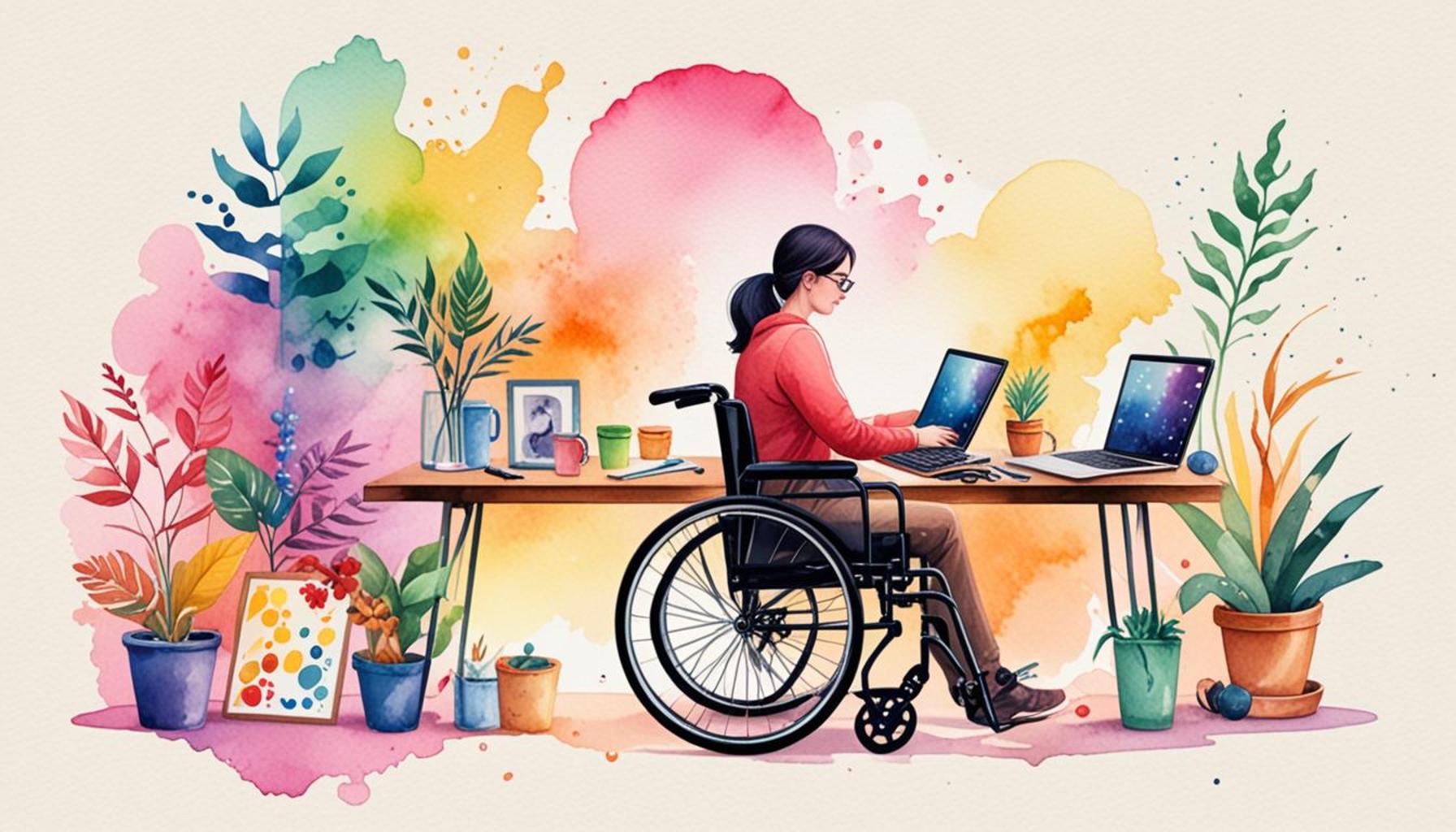
- Inclusive Design: This trend emphasizes creating products that are accessible to a broader audience. Designers are being challenged to think about diverse user needs, ensuring that all individuals, regardless of ability or background, can engage with their products. This newer approach not only broadens the market reach but also fosters a sense of community and social responsibility within design practices.
As designers embrace these trends, they are also greeted by an influx of new tools and platforms that enhance their creative capabilities. The rise of no-code platforms such as Webflow and Glide makes it easier for anyone with an idea to build functional websites or apps without having to write code. Additionally, collaborative design tools like Figma and Miro enable teams to work concurrently, breaking down geographical barriers and fostering a sense of communal creativity. This democratization of design leads to a more inclusive creative environment, encouraging fresh perspectives and ideas.
Understanding and leveraging these trends will not only enhance individual design practices, but it also has the potential to create a more vibrant and interconnected design community. As the realm of digital design continues to expand, those willing to explore these innovations will find themselves at the forefront of a transformational era in creativity.
DISCOVER MORE: Click here to explore the benefits of handicrafts
Innovative Tools and Platforms Powering Design Evolution
The digital design landscape is not just being reshaped by technologies such as AI, AR, and sustainable practices; the tools and platforms available to designers are undergoing a transformation that significantly enhances creative potential. The advent of no-code platforms has been a game-changer for many creators. Tools like Webflow, Glide, and Adalo allow users to develop fully functional websites and applications without the need for extensive programming knowledge. This democratization of technology empowers everyone—from seasoned professionals to aspiring creators— to turn their innovative ideas into reality with ease.
Moreover, the increased availability and functionality of collaborative design tools like Figma, Miro, and InVision enable teams to work together seamlessly, irrespective of location. These platforms offer real-time collaboration features, allowing designers to sketch, brainstorm, and refine projects collectively. With a focus on user experience and accessibility, these tools are designed to break down barriers and foster a sense of community among designers, thus catalyzing innovation and creativity.
But technology alone isn’t enough; understanding user needs is equally crucial. The growing trend of user-centered design necessitates that creators prioritize the preferences and experiences of their target audience. This approach not only improves design effectiveness but also enhances customer satisfaction, loyalty, and engagement. Designers are encouraged to conduct thorough research, gather feedback, and iterate based on user input, leading to products that resonate more profoundly with users. It’s a cycle of continual learning and adaptation, a process that is increasingly supported by advanced analytics tools and user testing platforms.
With the rapid shifts in digital design trends, one must also consider the impact of design systems. Brands are increasingly adopting these systematic approaches to streamline their design processes, ensuring consistency across various digital touchpoints. A well-implemented design system can significantly reduce the time and effort spent on project development while enhancing the overall quality and coherence of the user experience. Companies such as Google and Microsoft have successfully utilized design systems to maintain brand integrity while allowing for flexibility and innovation.
As creators navigate these emerging tools and trends, they find themselves in a fertile environment ripe with opportunities. The synergy of innovative platforms, user-centered approaches, and systematic design practices not only equips designers with the resources they need, but also challenges them to rethink traditional methodologies. The ability to harness these new technologies and perspectives will distinguish successful designers in the future landscape of digital design, positioning them as leaders in a rapidly evolving field.
The Future of Digital Design: Emerging Trends and Opportunities for Creators
As the digital landscape continues to evolve, creators are presented with a dynamic array of opportunities that redefine the essence of design. With advancements in technology, specifically in areas like artificial intelligence (AI) and augmented reality (AR), the potential for innovative creations has reached new heights. Designers can now harness these technologies to heighten user experiences, enabling personalized interactions that were previously unimaginable.One of the most pivotal trends shaping the future of digital design is the rise of UI/UX personalization. As consumers demand more from digital experiences, designers are tasked with creating interfaces that are intuitive and tailored to individual preferences. This personalization extends beyond aesthetics; it focuses on usability and accessibility, ensuring that content is engaging to a diverse audience.Additionally, sustainability is becoming a key consideration in digital design. With the increasing awareness of climate change, designers are exploring ways to create sustainable digital products. This could include optimizing website speeds and minimizing energy consumption during operations. The integration of sustainable practices will not only resonate with eco-conscious users but also set a new standard for design ethics in the industry.To illustrate some of the key advantages related to these emerging trends, consider the following table:
| Trend | Benefits |
|---|---|
| UI/UX Personalization | Enhances user engagement and satisfaction. |
| Sustainable Design | Promotes ethical practices and attracts eco-conscious consumers. |
Incorporating these trends into the work of digital creators not only elevates their projects but also paves the path for revolutionary design methodologies. By staying ahead of the curve, designers have the opportunity to redefine user experiences while contributing to a more sustainable future in digital creation. As we delve deeper into these trends, it becomes evident that the landscape of digital design is alive with potential, waiting for creators to harness its full scope.
DIVE DEEPER: Click here to discover more
The Role of AI and Automation in Shaping Design Processes
In the ever-evolving realm of digital design, the integration of artificial intelligence (AI) and automation stands out as one of the most significant advancements poised to redefine the creative landscape. As machine learning algorithms become increasingly sophisticated, they are able to analyze vast amounts of data, identify patterns, and generate design solutions that would have previously required hours or even days of manual work. Tools like Adobe Sensei, for instance, leverage AI to assist designers in automating mundane tasks, such as resizing images or adjusting layouts, freeing up valuable time for more strategic and creative endeavors.
Moreover, AI is not just about enhancing productivity; it also holds immense potential for personalization. By analyzing user preferences and behavior, AI can suggest design elements tailored to individual audiences, creating a more engaging and relevant experience. Brands like Netflix and Spotify are exemplary in utilizing data to inform their design choices, ensuring that the content delivered resonates with users on a personal level. This evolving trend reflects a shift towards a more data-driven design approach, leading to designs that not only look aesthetically pleasing but also effectively meet user demands.
The Emergence of Augmented and Virtual Reality
Augmented Reality (AR) and Virtual Reality (VR) are rapidly transforming how designers conceptualize, create, and showcase their work. As devices become more capable and affordable, the adoption of these immersive technologies is becoming mainstream. The ability to create interactive experiences allows designers to engage users in ways previously considered the realm of science fiction. Companies like IKEA have capitalized on this trend with AR apps that let users visualize furniture in their own spaces before making a purchase, merging the digital and physical worlds seamlessly.
Furthermore, VR environments enable designers to present and explore their concepts in three dimensions, offering a unique vantage point for understanding spatial relationships and user interactions. This hands-on approach can lead to more refined and intuitive final products. As the demand for AR and VR experiences grows, so does the need for skilled designers who can bridge the gap between technology and creativity, revealing a lucrative opportunity for new talent and seasoned professionals alike.
Sustainability: A Fundamental Shift
With increased awareness around environmental issues, sustainability has moved to the forefront of design thinking. Designers are now tasked with creating solutions that not only serve aesthetics and function but also prioritize ecological impact. This has led to the rise of concepts like eco-friendly materials, energy-efficient processes, and designs that minimize waste. Organizations, both large and small, are increasingly seeking to showcase their commitment to sustainability as consumers become more conscious about their choices.
Emerging trends in sustainable design often incorporate the principles of circular design, where designers prioritize the reuse and recycling of materials, thus reducing the carbon footprint of products. For instance, brands like Patagonia have taken significant strides in designing products that not only minimize waste but also advocate for environmental activism, attracting a growing base of eco-conscious consumers. This intersection of design and environmental stewardship opens new avenues for creators who are passionate about making a difference while innovating.
Overall, the future landscape of digital design is replete with opportunities driven by AI advancements, immersive technologies, and a commitment to sustainability. As creators navigate these shifts, they must remain adaptable, continuously learning and embracing these transformative forces shaping their industry.
DISCOVER MORE: Click here to learn about the impact of crafts on culture
Conclusion: Embracing the Future of Digital Design
As we venture deeper into the future of digital design, it becomes increasingly clear that the landscape is not only evolving but expanding in ways we could have once only imagined. The confluence of artificial intelligence, augmented reality, and a commitment to sustainability presents creators with unparalleled opportunities to innovate and connect with audiences. Each of these trends reflects a shifting paradigm in which creators are not merely designers but also problem-solvers tasked with bridging technology and human experience.
With AI streamlining design processes and personalizing user interactions, creators can now focus more on their artistic vision and less on repetitive tasks. Simultaneously, the adoption of AR and VR technologies is redefining user engagement, allowing designers to create immersive, interactive experiences that captivate and inspire. Furthermore, the growing emphasis on sustainable design is not just a trend but a necessity that aligns creativity with environmental stewardship, positioning designers as crucial players in the fight against climate change.
The challenges and opportunities that lie ahead are monumental. As digital designers, it is imperative to stay informed and agile, continuously adapting to these technological advancements and shifting consumer priorities. The future calls for a collaborative spirit—where interdisciplinary teams will thrive and where creativity paired with cutting-edge technology can lead to extraordinary outcomes. As we navigate this dynamic landscape, embracing these emerging trends will not only ensure relevance but also empower creators to shape a more innovative and sustainable future in digital design.