Digital Illustration Techniques: From Sketch to Final Art in Visual Creation
Exploring Essential Techniques in Digital Illustration
Artists today have the unique opportunity to leverage technology to translate their creative visions into stunning digital artwork. The journey from a mere concept to a captivating illustration involves various essential techniques that every digital artist should explore. Understanding these aspects can not only improve one’s craft but also enhance the storytelling aspect inherent in every piece of visual art.
At the heart of every great illustration is sketching. This initial stage is foundational, allowing artists to brainstorm and visualize their ideas. Whether using a digital pencil or a stylus on a tablet, sketching offers flexibility and freedom in the creative process. Artists can quickly draft multiple iterations of a character, landscape, or abstract design, refining and evolving their concepts without the constraints of physical medium.
Once a sketch is established, the next technique is inking. This step involves defining the initial lines and contours that bring structure to the artwork. Inking can be executed with various digital brushes that mimic traditional tools like ink pens or brushes, creating crisp lines that enhance clarity. The quality of inking can drastically influence a viewer’s perception, as cleaner lines may convey professionalism and focus, while more fluid or rough lines can add a sense of whimsy or spontaneity.
The aspect of coloring is perhaps one of the most visually impactful techniques. Color choices can significantly evoke emotions, set the mood, and create depth in the artwork. Artists often explore color theory and the psychology of colors to make informed choices. For example, a warm palette with reds and oranges can create an inviting and energetic feel, while cooler tones like blues and greens can evoke calmness and serenity. Navigating tools such as Adobe Photoshop or Procreate allows artists to experiment with gradients, blending modes, and layer effects for rich color applications.
In addition to color, the art of texturing is crucial in adding dimension and realism to digital illustrations. Techniques like layering textures or implementing digital brushes that mimic real-world surfaces—such as fabrics, metals, or natural elements—can create a tactile quality to the image that engages viewers on a sensory level. Textures bring depth and interest, compelling the audience to look closer and appreciate the nuances of the artwork.
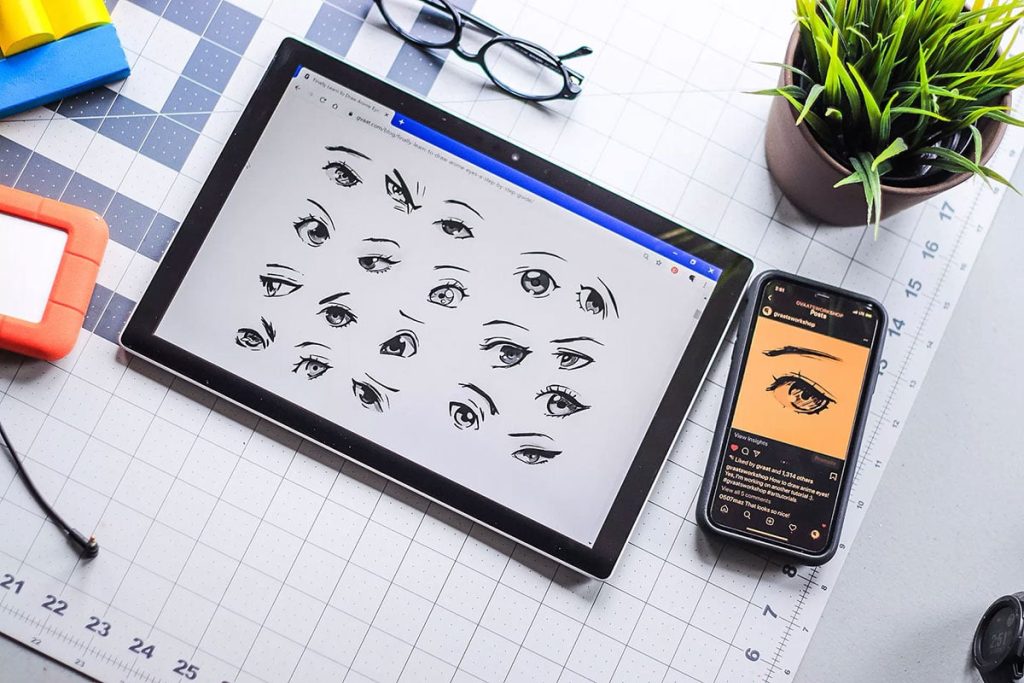
Finally, the stage of final touches involves refining and polishing the illustration to make it exhibition-ready. This can include adjusting contrasts, enhancing highlights, or implementing final filters that unify the artwork. The goal is to ensure every element works harmoniously together, guiding the viewer’s eye through the composition and emphasizing focal points.
Every step of the digital illustration process is interconnected, where mastery over these techniques can transform a simple idea into a visually compelling narrative. This article will serve as a guide for artists at all levels, offering insights that will motivate them to delve deeper into the world of digital arts. By honing these skills, artists can unlock a world of creativity that continually evolves with advancing technology.
DISCOVER MORE: Click here to uncover the impact of social media on the performing arts
The Journey of Digital Illustration Techniques
The process of creating a digital illustration is a dynamic journey that demands both skill and creativity. As artists navigate through various techniques, they unlock the potential to enhance not only their craft but also the narrative embedded within each piece. From the moment artistic ideas take form on a digital canvas, several stages come into play, each contributing uniquely to the final output.
The first step, sketching, initiates the creative exploration. This foundational practice is where informal ideas flow and take shape. With a digital stylus in hand, artists can unleash their imagination, drawing freely without interruption. Modern software tools offer an array of features—such as adjustable brush sizes and an infinite undo option—that encourage experimentation. Artists can try multiple variations of designs swiftly, facilitating a fluid brainstorming process. This stage is where shapes, proportions, and compositions begin to emerge, setting the groundwork for further development.
Next comes the inking phase, crucial for translating sketches into definitive lines. Inking solidifies the artist’s vision, infusing structure and detail into the artwork. By utilizing various digital brushes that mimic traditional inking tools, artists bring clarity and personality to their illustrations. This step differentiates between a rough draft and a polished piece; smooth lines can signify precision, while textured strokes might convey a more organic look. Many artists discover their unique style during this phase, finding the balance between traditional techniques and digital advantages.
Another transformative aspect of digital illustration is coloring. The art of applying color can profoundly affect the tone and emotion of the piece. Color theory plays an essential role, as artists carefully select palettes that resonate with the intended message or mood. They may opt for vibrant hues to energize a scene or muted tones for a more subdued aesthetic. Leveraging tools within software like Adobe Fresco or Clip Studio Paint, artists experiment with layering techniques, blending modes, and opacity settings, allowing them to create depth and dimensionality that engages viewers instantly.
- Brush Techniques: Artists can experiment with various brush settings, including opacity, flow, and texture to create visually rich illustrations.
- Layer Organization: Properly managing layers can help artists maintain control over each aspect of their artwork, enabling adjustments as needed.
- Color Gradients: Utilizing gradients can enhance transitions between colors, adding realism and interest to illustrations.
The subsequent phase, texturing, breathes life into digital artwork. By integrating textures derived from various sources—such as scanned papers, photographs, or custom-made brushes—artists add an additional layer of depth and tactile quality to their pieces. Textures can mimic natural elements like wood, stone, or fabric, compelling viewers to engage on a sensory level. This technique can dramatically transform flat illustrations into vibrant art pieces full of character and intrigue.
Finally, the process culminates in the final touches. At this stage, artists refine their work, ensuring harmony and balance throughout the composition. This may involve adjusting lighting, enhancing details, and applying filters to unify the piece. The objective is to create an artwork that is not only visually cohesive but also conveys the artist’s intended message effectively.
Mastering these digital illustration techniques can significantly elevate an artist’s work, allowing for a seamless transition from concept to captivating visual narratives. As technology continues to evolve, so too does the potential for creativity, challenging artists to explore, innovate, and refine their approach to digital illustration.
| Technique | Advantages |
|---|---|
| Digital Sketching | Allows for rapid iterations and adjustments, maximizing creativity. |
| Layering Techniques | Enables smooth edits without disturbing the core elements of the illustration. |
| Color Theory Application | Enhances visual storytelling, helping to convey emotions and themes effectively. |
| Brush Customization | Creates unique textures and styles, providing a distinctive touch to digital works. |
Exploring Digital Illustration Techniques involves understanding several core methods that can transform a basic idea into a stunning visual piece. The process starts with digital sketching, which encourages artists to refine their concepts quickly. This technique can significantly enhance creativity by allowing quick alterations—something traditional methods may hinder.Utilizing layering techniques further enables artists to make refined edits, ensuring a polished final art piece without losing the integrity of the original design. Alongside this, a solid grasp of color theory application adds depth and emotion to the artwork, significantly aiding in visual communication.Moreover, brush customization allows creators to develop textures that resonate with their personal style, resulting in distinct artworks that stand out in the digital domain. This iterative and flexible approach to illustration inspires artists to push boundaries and explore their artistic potential.
DISCOVER MORE: Click here to dive deeper
The Artistic Exploration of Digital Illustration Techniques
As artists progress through the stages of digital illustration, they often discover that the real magic lies not only in the tools but also in how those tools are used to generate emotional resonance within their artwork. Beyond basic coloring and texturing techniques, artists engage with other sophisticated methods that help elevate their illustrations into compelling narratives.
One such method is the technique of composition. This critical aspect of visual creation involves arranging elements within the artwork to create a sense of balance and flow. Utilizing the rule of thirds or the golden ratio can guide artists in positioning key elements to draw the viewer’s eye exactly where it needs to go. In digital platforms, grid overlays can be an indispensable resource, allowing artists to visualize their layouts before committing to details. Additionally, understanding the principles of negative space can help artists convey depth and focus, ensuring that no part of the illustration feels overcrowded or overwhelming.
The integration of lighting effects also plays a crucial role in enhancing the emotional impact of digital illustrations. Mastering light and shadow can transform flat images into lifelike representations. Artists can experiment with light sources, highlights, and shadows to create a three-dimensional feel. Tools available in popular software like Photoshop include layer styles and gradient overlays, which can simulate ambient light, enhancing the atmosphere. Experimenting with varying contrasts allows artists to emphasize specific elements, leading to a more dynamic and immersive experience for the viewer.
Moreover, incorporating 3D elements into digital illustrations is becoming increasingly popular. Programs such as Blender and Adobe Dimension enable artists to create intricate three-dimensional models that can be seamlessly integrated into their 2D artwork. This combination of 3D and 2D techniques allows for unique perspectives and greater detail, pushing the boundaries of conventional illustration. By merging the two dimensions, artists can break free from the limitations of traditional mediums, resulting in creations that captivate and engage audiences more deeply.
- Character Rigging: This technique allows artists to create lifelike movements in their characters, adding dynamism to static illustrations.
- Environmental Effects: Implementing elements like fog, rain, or glare can dramatically change the mood of an illustration, contributing significantly to storytelling.
- Animation Techniques: Artists can explore animation to breathe life into their illustrations, making them not only visually appealing but also engaging through motion.
Another fascinating aspect of digital illustration is the use of mixed media. Artists often blend traditional drawing techniques with digital tools to produce unique effects. This hybrid approach not only preserves the tactile nature of physical materials but also leverages the versatility of digital art. By incorporating photographs, watercolor washes, or even collaged textures, artists can develop eclectic styles that stand out in a saturated digital marketplace. This fusion of media encourages innovation and self-expression, inviting artists to explore beyond conventional boundaries.
Networking is also vital in the realm of digital illustration. Many artists establish online communities, providing platforms to share techniques, seek critiques, and cultivate inspiration. Social media platforms like Instagram and Behance serve as excellent tools for showcasing artwork while gaining feedback from peers and potential clients. Engaging with other artists and audiences can spark new ideas and collaborations, prompting artists to push their boundaries and grow creatively.
These varied techniques highlight the ever-evolving nature of digital illustration and the myriad possibilities available to artists. By harnessing the combination of advanced digital tools, traditional techniques, and community engagement, artists can continually refine their craft and produce powerful visual narratives that resonate universally.
DIVE DEEPER: Click here to discover the connection between music and creativity
Bringing Art to Life: The Future of Digital Illustration
In conclusion, the journey from sketch to final art in digital illustration is an intricate process that encompasses a multitude of techniques and approaches, each contributing to the narrative power of an artwork. As explored throughout this article, the use of composition, lighting effects, and the incorporation of 3D elements enriches visual storytelling, adding depth and emotion that resonate with observers. Artists have the opportunity to manipulate technology creatively, merging traditional and digital practices through mixed media, allowing for innovative expressions that challenge conventional artistic boundaries.
As the digital landscape continues to evolve, so too does the potential for artistic exploration and community engagement. Platforms such as Instagram and Behance not only facilitate the sharing of art but cultivate a collaborative environment where artists can inspire one another. This sense of community can fuel growth and innovation, encouraging creatives to embrace new technologies and methods as integral parts of their artistic processes.
Ultimately, the world of digital illustration offers a vibrant canvas for artists to express their unique visions. By mastering a diverse array of techniques and staying engaged with a community of fellow creators, artists can transform their initial sketches into breathtaking works of art that captivate audiences. As we look toward the future of visual creation, the only limit is the imagination, encouraging artists to explore uncharted territories within the digital realm.