Functional Spaces Organize Your Home for a Clutter-Free Life
Introduction
In today’s fast-paced world, the quest for a clutter-free life has gained significant traction. Minimalism is more than just a trend; it embodies a lifestyle that emphasizes simplicity, functionality, and intentionality. By organizing your home into functional spaces, you can create an environment that nurtures peace, productivity, and clarity.
Why Mastering Personal Organization is Important
The concept of minimalism extends far beyond merely cleaning up. It impacts mental clarity and overall wellbeing. A space free from excessive, unused items can foster tranquillity, reduce decision fatigue, and provide a sanctuary away from our hectic external lives.
- Reduced Stress: A well-organized home reduces visual chaos, leading to a calmer mind. Studies have shown that clutter can raise stress levels, while a tidy space promotes a sense of control over one’s environment.
- Increased Productivity: Functional spaces allow for greater efficiency in your daily tasks. When everything has its place, time is saved looking for items, thereby making daily routines more seamless.
- Improved Focus: Less clutter means fewer distractions, enhancing concentration. A study from Princeton University Neuroscience Institute suggests that physical clutter in your surroundings competes for your attention, leading to decreased performance and increased stress.
As we delve into the core of minimalism, this article will not only guide you through the physical process of decluttering but also help in cultivating a mindset geared towards purposeful living. We will explore practical strategies for organizing your living space and unveil the Top 5 tips to achieve a harmonious, clutter-free environment. Get ready to transform your home into a sanctuary of purpose and serenity!
Top 5: Functional Spaces – How to Organize Your Home for a Clutter-Free Life
In the modern, fast-paced world, the desire for a clutter-free home remains a top priority for many. Our living spaces reflect our emotional and mental states; thus, creating functional spaces is not just about enhancing aesthetic appeal, but also about optimizing the efficiency of daily activities. This guide delves into the top five strategies for designing harmonious living environments, ranked from effective to most impactful in reducing chaos.
5. Utilize Vertical Space
In the realm of home organization, vertical space often remains overlooked. It’s crucial to remember that while floor areas get cluttered quickly, walls are underutilized expanses waiting to transform your home. Vertical storage can drastically increase the usable area in spaces like kitchens, living rooms, and bedrooms.
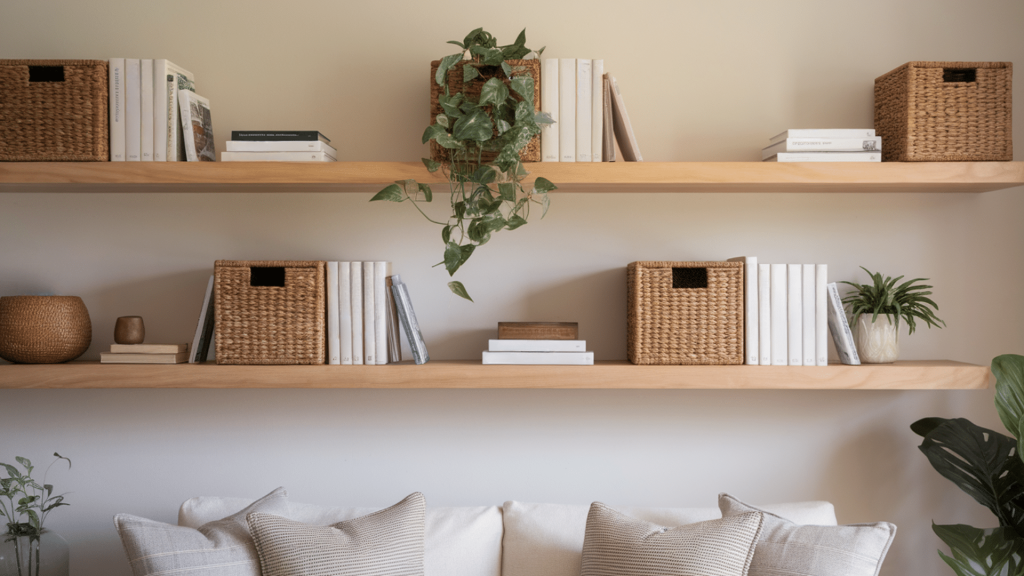
- Install floating shelves to add dimension and decorative storage space.
- Wall-mounted hooks can hold everything from bikes to kitchen utensils, tools, and accessories, freeing up valuable floor space.
- Over-the-door organizers for shoes or cleaning supplies keep necessities within reach without contributing to visible clutter.
This strategy does more than just free up space; it adds visual interest and enhances decorative elements by creating unique displays. Vertical storage supports creativity and ensures that homes feel open and spacious without unnecessary constraints.
4. Multitasking Furniture
Not limited to small apartments or homes, multitasking furniture is essential for anyone seeking efficiency. These pieces blend function with innovation, serving multiple purposes to help combat clutter before it begins.
- Folding dining tables, for example, save space day-to-day but expand hosting options during gatherings.
- Convertible sofas seamlessly switch between seating and sleeping arrangements for guests.
- Storage benches provide ample room for hiding items while offering additional seating.
By incorporating such versatile furnishings, you ensure that every piece in your home serves a specific function, helping to reduce the accumulation of unused items over time. Investing in multifunctional furniture initially might seem costly, but the benefits of adaptability and space savings quickly outweigh these concerns.
3. Define Your Zones
Dividing your home into defined zones can inherently boost organization. Each designated area should have a specific purpose, offering a sense of clarity that enhances both the flow and the function of your home.
- Set up a workspace containing essential tools like a desk, chair, and paper storage for a productive environment.
- Designate a leisure zone with comfortable seating and soft lighting to induce relaxation and unwind after the day’s stress.
- Create a distinct dining space away from the kitchen to make meal times more focused and enjoyable.
These clearly demarcated zones help prevent intermingling of unrelated tasks and items, contributing to an organized and visually appealing home structure. This approach not only supports organization but also enhances the enjoyment and usage of each space within the household.
2. Minimalist Approach to Décor
Embracing minimalism can be a powerful weapon against clutter. The mantra “less is more” applies perfectly here, as it allows you to focus on a select few meaningful items instead of overwhelming surfaces with unnecessary trinkets.
- Maintaining a limited color palette ensures a cohesive visual impression throughout your decor.
- Select quality over quantity, investing in pieces with substantial personal or practical value.
- Adopt the Marie Kondo method, keeping only items that spark joy and discarding the rest.
The minimalist approach offers more than a beautiful aesthetic; it significantly reduces environmental distractions, promoting greater focus and an enhanced sense of inner calm. By prioritizing fewer but more meaningful objects, you create a tranquil space marked by intention rather than accumulation.
1. The 30-Day Declutter Challenge
Leading the list is the transformative 30-Day Declutter Challenge. This method provides a structured, actionable plan to reduce clutter over time without feeling overwhelmed. By dedicating each day to a specific category or area of your home, you can systematically eliminate excess without hastily discarding potentially valuable items.
- Begin by selecting a specific space, such as a closet, or a category, such as books.
- Evaluate and remove items that no longer serve a purpose each day.
- Consistently assess your possessions, fostering a habit of critical evaluation.
Upon completing the challenge, the accumulation of incremental changes leads to a significant reduction in clutter, paving the way for a more organized, functional living space. This step-by-step process empowers individuals to maintain order long-term, making it a cornerstone for a serene domestic life.
Ultimately, the success of these strategies rests on the commitment to sustain order. However, embarking on this journey with a concrete plan can lead to an inspiring lifestyle transformation marked by minimalism and organization. By integrating these top five strategies into your daily routine, you can foster an environment that supports not only a clutter-free space but a life defined by peace and clarity.
| Category | Description |
|---|---|
| Space Utilization | Implementing functional spaces helps maximize usage by categorizing areas for specific purposes, reducing clutter. |
| Mental Clarity | A well-organized home creates mental clarity, as a clean environment facilitates focus and reduces stress levels. |
| Sustainability | Organizing your home can lead to more sustainable living practices, minimizing waste by keeping only necessary items. |
| Increased Productivity | Functional spaces boost productivity by ensuring that everything is in its right place, making tasks easier and quicker to accomplish. |
Exploring the theme of “Espaços Funcionais” reveals numerous dimensions that can transform one’s living experience. By understanding that space should be functional, individuals can significantly enhance their daily routines. For instance, designing tailored storage solutions allows household items to have designated areas that are both accessible and aesthetically pleasing. This approach benefits not just room appearance but also the psychological well-being of inhabitants.Moreover, there’s an undeniable relationship between a well-organized home and psychological health. Studies have shown that cluttered environments can lead to feelings of anxiety and overwhelm. Thus, embracing the principle of functional spaces not only enhances physical surroundings but also cultivates a serene mental landscape, ultimately fostering a greater sense of control and satisfaction in life.Furthermore, sustainability comes into play as minimalism guides homeowners to rethink their consumption habits. By focusing on what is truly needed, individuals can reduce the volume of items in their homes, leading to less waste and a smaller carbon footprint. This conscious effort also encourages the appreciation of quality over quantity, aligning with modern sustainable lifestyles.Finally, the link between organization and productivity cannot be overstated. A home designed with functional spaces can directly affect an individual’s efficiency. Whether it’s a home office, kitchen, or living room, having a structured environment allows for smoother workflow, thus transforming mundane tasks into efficient activities that can lead to greater achievements in both personal and professional realms. Each of these components showcases the multifaceted nature of organizing one’s home into functional spaces, which ultimately contributes to a life free of disorder and full of potential.
Frequently Asked Questions on Functional Spaces
How can functional spaces improve my lifestyle?
Functional spaces are strategically designed to maximize the effectiveness of your home environment. By creating areas that serve specific purposes, such as work, relaxation, and entertainment, you can significantly enhance your productivity and well-being. The key is to reduce clutter and ensure that each item has a designated place. This not only simplifies daily routines but also contributes to a more organized and serene living space, potentially leading to improved mental health and overall life satisfaction.
What are some fundamental principles of organizing a functional space?
To organize a functional space, start by defining the purpose of each area in your home. Implement the principle of essentialism—keep only what serves a specific function. Utilize storage solutions that fit the space, such as multi-purpose furniture and vertical shelving. Consistency in design and color schemes can create a visual harmony that enhances the feeling of order. Regularly reassess and adjust the space to accommodate changes in your lifestyle or family needs.
How do I maintain a functional space over time?
Maintaining a functional space requires consistent effort and discipline. Establish a routine for tidying up and decluttering to prevent the accumulation of unnecessary items. Develop organizational habits, such as putting things back in their designated places immediately after use. Periodic evaluations of the space can help you identify areas that may need reorganization or improvement. By committing to these practices, you can sustain an environment that is both efficient and aesthetically pleasing.
Can small homes also benefit from functional space strategies?
Absolutely! Even in small homes, functional space strategies can be highly effective. The key is to be smart with limited square footage—maximize vertical space, invest in furniture with built-in storage, and clearly define zones for different activities. Creating a minimalist environment can make a small space feel larger. Employing these tactics can transform a compact home into a well-organized and practical living area that meets all your needs.
Conclusion: Embracing Functional Spaces for a Harmonious Home
As we’ve explored the concept of functional spaces, it’s clear that organizing your living area has profound implications for both your physical environment and mental well-being. By prioritizing functionality in your home, you not only cultivate an aesthetically pleasing space but also foster a lifestyle that minimizes stress and enhances productivity. The journey towards a tidy home is intrinsically linked to the principles of minimalism and personal organization.
Throughout the article, we’ve highlighted several key takeaways, including the importance of decluttering regularly, which eliminates excess and highlights essentials. Another crucial aspect is creating designated areas for specific activities, ensuring that each zone serves a clear purpose, thus simplifying daily routines. Accessibility also plays a pivotal role; arranging items logically facilitates easy retrieval and reduces unnecessary disruption.
- Evaluate your space continuously to adapt to changing needs, ensuring each area remains relevant and functional.
- Implement multi-functional furniture to maximize utility without overcrowding the environment.
- Focus on quality over quantity, embracing items that truly serve a purpose or bring joy.
By understanding and implementing these fundamental strategies, anyone can transform their home into a space that supports and uplifts their daily life. Functional organization is not merely about aesthetics; it’s an embodiment of a thoughtful approach to living. As the minimalist movement gains traction, recognizing the influential role of our surroundings becomes increasingly important. As you continue to refine your living space, remember that the journey towards simplification is ongoing, offering new opportunities for growth and serenity. Embrace this challenge to create a home that acts as a sanctuary, free from the chaos of clutter, and rich with intentional living.