Creating Intentional Spaces: How Minimalism Transforms Your Home Office
Creating Your Ideal Workspace Through Minimalism
As the landscape of work continues to evolve, with more individuals embracing remote opportunities, the significance of a dedicated and well-organized home office cannot be overstated. The drive for maximizing productivity while minimizing distractions has never been more crucial to achieving success in a work-from-home setting. Adopting a minimalist approach to your workspace can serve as an excellent strategy to enhance both focus and creativity.
The Core Principles of Minimalism
At its essence, minimalism prioritizes simplicity and purpose. When you step into a minimalist workspace, it should feel invigorating rather than overwhelming. Consider these critical aspects:
- Functionality: In a minimalist office, every single item should serve a specific purpose or function. For instance, instead of hoarding multiple notebooks, opt for a digital note-taking system that streamlines your thoughts and meetings.
- Decluttering: A primary tenet of minimalism is to rid your workspace of anything that doesn’t contribute to your work. Visual clutter can significantly detract from concentration, so consider removing items that might lead to distractions, such as excess stationery or personal knickknacks.
- Calming aesthetics: The physical design of your workspace plays a critical role in fostering an environment conducive to work. A clean, airy workspace featuring soft colors and natural light can create an ambiance that encourages creativity and sharp focus.
The Benefits of a Minimalist Workspace
Shifting to a minimalist design not only sharpens work efficiency but also extends into the realm of personal well-being. Research has illuminated several key benefits associated with such an environment:
- Reduced stress: Studies show that clutter in our surroundings can elevate stress levels. A minimalist setup fosters a sense of calm, allowing your mind to work more effectively without the chaos of disorganization.
- Enhanced motivation: By eliminating distractions, a minimalist workspace can help you remain engaged in your tasks. Whether it’s by simplifying the view in front of you or reducing the noise around you, fewer distractions lead to a more focused mindset.
- Overall clarity: A minimalist environment can facilitate clearer thoughts and better decision-making. Clutter-free surroundings create a mental space that promotes clarity and effectiveness in tackling projects.
Actionable Steps to Transform Your Home Office
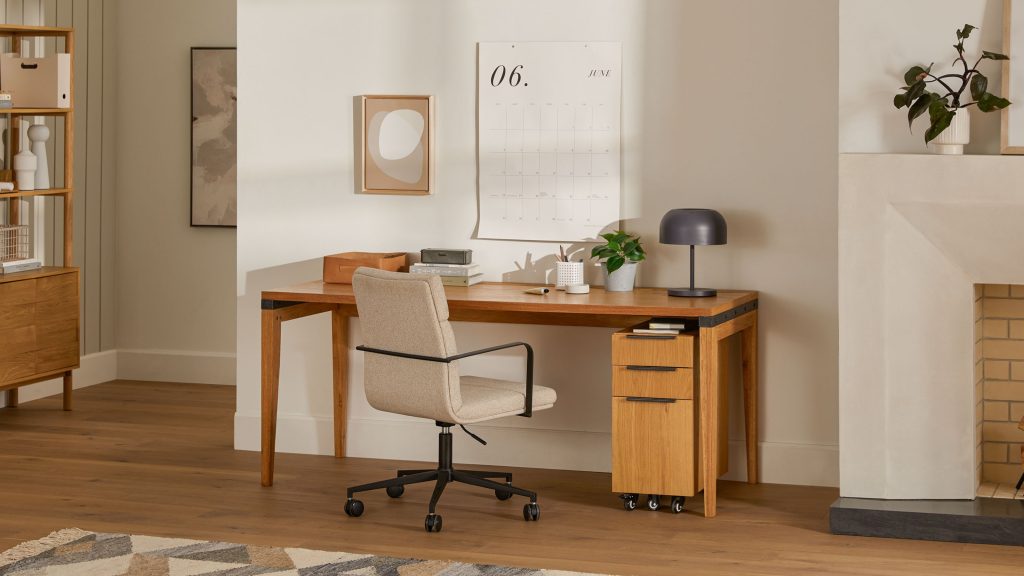
Are you ready to turn over a new leaf in your home office? Implementing a minimalist philosophy doesn’t happen overnight, but even small changes can lead to significant improvements. Start by assessing your workspace: remove everything and only reintroduce what you need. Consider investing in quality, multifunctional furniture that mirrors your minimalist ethos.
In conclusion, adopting minimalism in your home office can redefine your approach to work, leading to increased productivity, lower stress levels, and a more streamlined thought process. By focusing on essential elements and deliberate organization, you can cultivate a workspace that empowers you to achieve your best work daily.
DISCOVER MORE: Click here to learn about intentional minimalism
Understanding the Impact of Your Environment on Productivity
Our surroundings significantly influence our mental state and productivity levels. In a home office, every item and element can contribute to either a focused work atmosphere or a chaotic distraction. By understanding the relationship between your environment and your work performance, you can take actionable steps towards creating a space that not only looks aesthetic but also serves a functional purpose.
The Psychological Effects of Clutter
Research consistently underscores how visual clutter in our workspace can lead to cognitive overload. A 2011 study published in The Journal of Personality and Social Psychology found that individuals in disorganized settings are less able to concentrate and more likely to feel overwhelmed. The clutter competes for your attention, not only detracting from productivity but also affecting overall well-being. Therefore, embracing a minimalist philosophy can directly enhance mental clarity and decision-making abilities.
Essential Elements of a Minimalist Home Office
To create a workspace that aligns with the principles of minimalism, consider integrating these essential elements:
- Streamlined furniture: Opt for versatile pieces that serve multiple functions. Desks with built-in storage can help minimize the need for extra shelves and cabinets, keeping your office tidy.
- Natural elements: Incorporating plants or natural light promotes a calming atmosphere. Studies suggest that greenery can enhance mood and focus, making your workspace feel more inviting.
- Technology simplification: Choose technology that supports your workflow without overwhelming you. For instance, utilizing cloud-based applications can eliminate the need for paper files and physical storage.
Creating Boundaries within Your Workspace
Incorporating minimalism into your home office is not just about decluttering; it’s also about establishing boundaries within that space. As remote work becomes a norm, delineating your workspace can help in maintaining a work-life balance. Consider dedicating a specific time for work, and when that time ends, switch off all work-related technology. This boundary will allow you to separate personal time from work hours, reducing the chance of burnout.
Moreover, the layout of your workspace can foster focus and efficiency. Position your desk away from distractions, such as windows or high-traffic areas. This strategic placement keeps the energy directed towards your tasks while minimizing disruptions.
In summary, the impact of your home office environment on your productivity is profound. By understanding the psychological effects of clutter and the elements that contribute to a minimalist workspace, you can create a focused, intentional area ideally suited for optimal performance. With these strategically implemented changes, working from home can truly become a productive—and enjoyable—experience.
| Advantages of Minimalism | Key Features |
|---|---|
| Enhanced Focus | A decluttered space reduces distractions, allowing for better concentration. |
| Improved Organization | Minimalism encourages thoughtful planning of workspace layout and functionality. |
| Stress Reduction | Simplifying your environment creates a calm atmosphere, promoting well-being. |
| Creativity Boost | Minimalist designs often incorporate inspiration-enhancing elements. |
By adopting minimalism in your home office, you can create a transformative work environment that not only promotes productivity but also fosters creativity. Each aspect of a minimalist space is intentionally chosen, from color schemes to furniture styles, which work in harmony to stimulate clear thinking and better collaboration on projects. Embracing this approach encourages a sense of control over your environment, enabling you to set the tone for your work and invest your time wisely. Furthermore, minimalism helps you cultivate intentionality in your choices, encouraging a methodical examination of which items truly enhance your work life. By focusing on quality rather than quantity, you can curate a workspace that inspires daily motivation and caters to your unique style.The challenge becomes not only in the initial decision to declutter but in maintaining the that sense of focus and intentionality over time. It is this balancing act that leads many individuals on a rewarding journey of self-discovery, lifestyle refinement, and personal achievement in the context of their personal and professional lives.
LEARN MORE: Click here to explore the impact of conscious consumption
Functionality Meets Aesthetics in Minimalist Design
As we delve deeper into creating intentional spaces in your home office, it’s essential to recognize how functionality can harmoniously coexist with aesthetics. While minimalism emphasizes ‘less is more,’ it doesn’t imply that your workspace should lack character or individuality. Instead, the design can reflect your personal style while being stripped of non-essential distractions. The goal is to create an environment that not only looks good but also feels good to work in.
The Color Palette’s Role in Enhancing Focus
The colors you choose for your home office can dramatically influence your mood and productivity. Research indicates that certain colors evoke specific emotional responses, impacting not just creativity but also focus. For instance, blues and greens foster serenity and concentration, while yellows can stimulate mental activity. When opting for a minimalist approach, employing a neutral color palette as a base—think whites, greys, and soft beiges—can create a calming background. However, you may add pops of color through art or decor that speaks to your personality without overwhelming the senses.
Investing in Quality over Quantity
In a minimalist home office, every item should serve a purpose. This is where the principle of quality over quantity comes into play. Instead of filling your space with multiples of items, invest in a few high-quality pieces that resonate with your work habits. For instance, an ergonomic chair is an essential piece that supports your posture during long hours of work, while a well-designed desk can inspire productivity. According to the American Psychological Association, a well-furnished office leads to reduced stress and increased job satisfaction, reinforcing the importance of thoughtful choices in your work environment.
Incorporating Smart Storage Solutions
The hallmark of a minimalist workspace is clever storage solutions that maintain the organization. Look for items that hide away the clutter, such as drawer organizers, cable management systems, and multi-functional storage boxes. These solutions can help you keep your desk surface clear, allowing for uninterrupted concentration on your tasks. Additionally, employing vertical space with minimalist shelving helps to avoid an overcrowded desk while keeping necessary materials within reach.
Personal Touches and Mindfulness Elements
Minimalism doesn’t mean devoid of personal touches. Including a few curated decor items, such as a framed photo, an inspiring quote, or a tasteful piece of art, can personalize your office and inspire creativity. Furthermore, incorporating mindfulness elements like a small meditation space or a zen garden can enhance mental well-being. These conscious additions encourage a deeper connection to your workspace, prompting you to engage with your environment positively.
Understanding how different design elements—colors, quality furniture, storage solutions, and personal touches—interconnect in a minimalist home office can lead to an intentional space that enhances productivity and creativity. By carefully selecting every item and understanding its impact on your workspace, you lay the foundation for a home office that is both functional and aesthetically pleasing.
DISCOVER MORE: Click here to transform your space
Embracing Minimalism for a Purposeful Home Office
In conclusion, the journey of creating intentional spaces through minimalism can profoundly transform your home office into a sanctuary for productivity and creativity. As we’ve explored, the intersection of functionality and aesthetics not only enhances the visual appeal of your space but also uplifts your mental clarity, making it easier to focus on the tasks at hand. Choosing a well-curated color palette, investing in high-quality furniture, utilizing smart storage solutions, and adding personal touches can all synergize to create an environment that sparks motivation and reduces distractions.
Moreover, embracing minimalism is not just about removing clutter; it’s about mindfulness in curation. Each time you select or purchase an item for your office, ask how it aligns with your work habits and whether it enhances your space or adds to the disorder. This intentional approach encourages a connection to your workspace that is both practical and inspirational.
As remote work becomes increasingly prevalent, creating a home office that reflects the principles of minimalism can lead to a more satisfying and efficient work experience. By prioritizing simplicity and intention, you set the stage for increased productivity, reduced stress, and ultimately, a workspace that truly serves you. The minimalist home office is more than a trend; it is a lifestyle choice that fosters creativity, balance, and a deeper appreciation for your surroundings. Explore this transformative journey today and witness how minimalism can redefine the way you work.