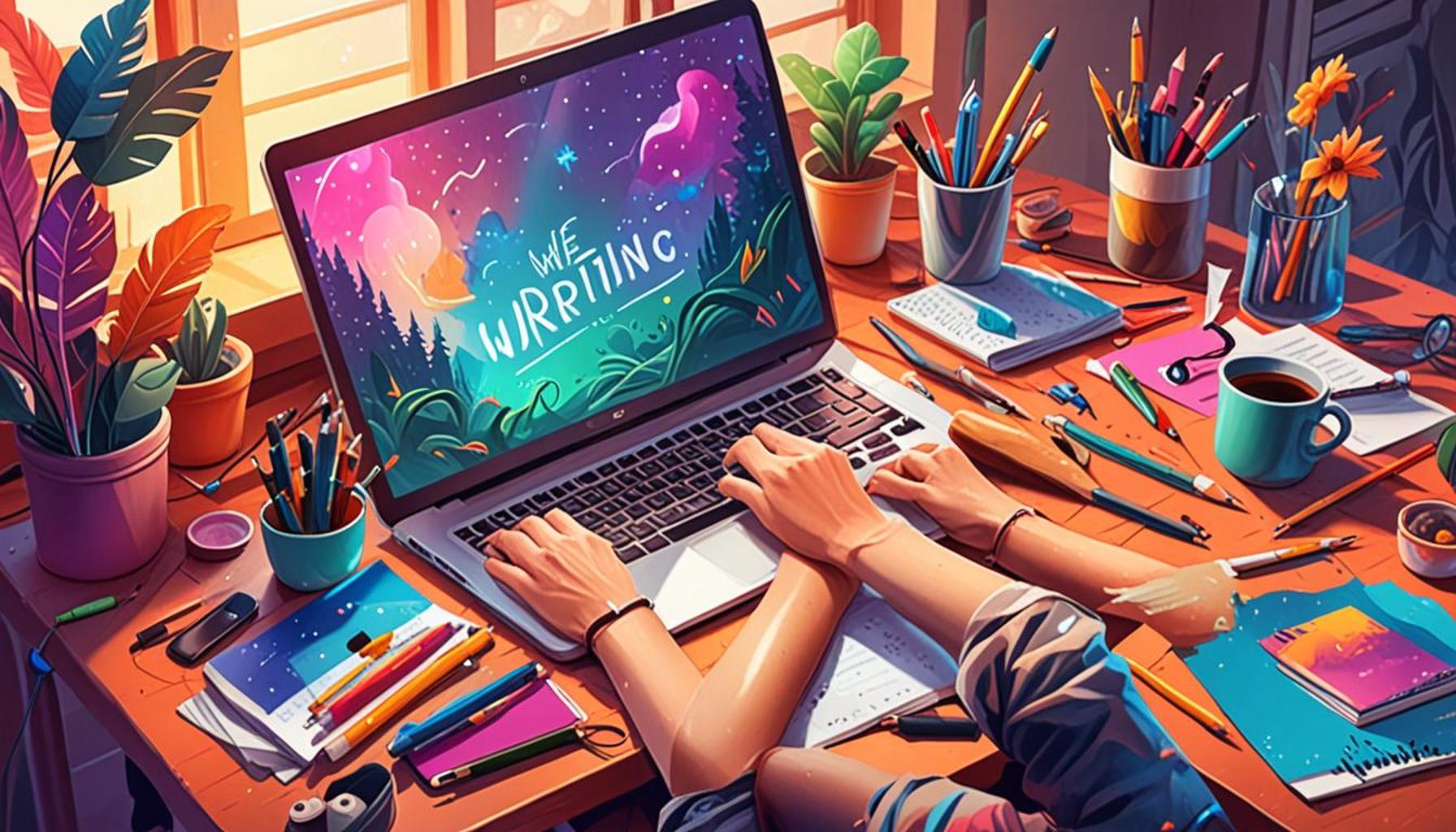
Collaborative Writing Projects: Building Creativity Through Group Storytelling
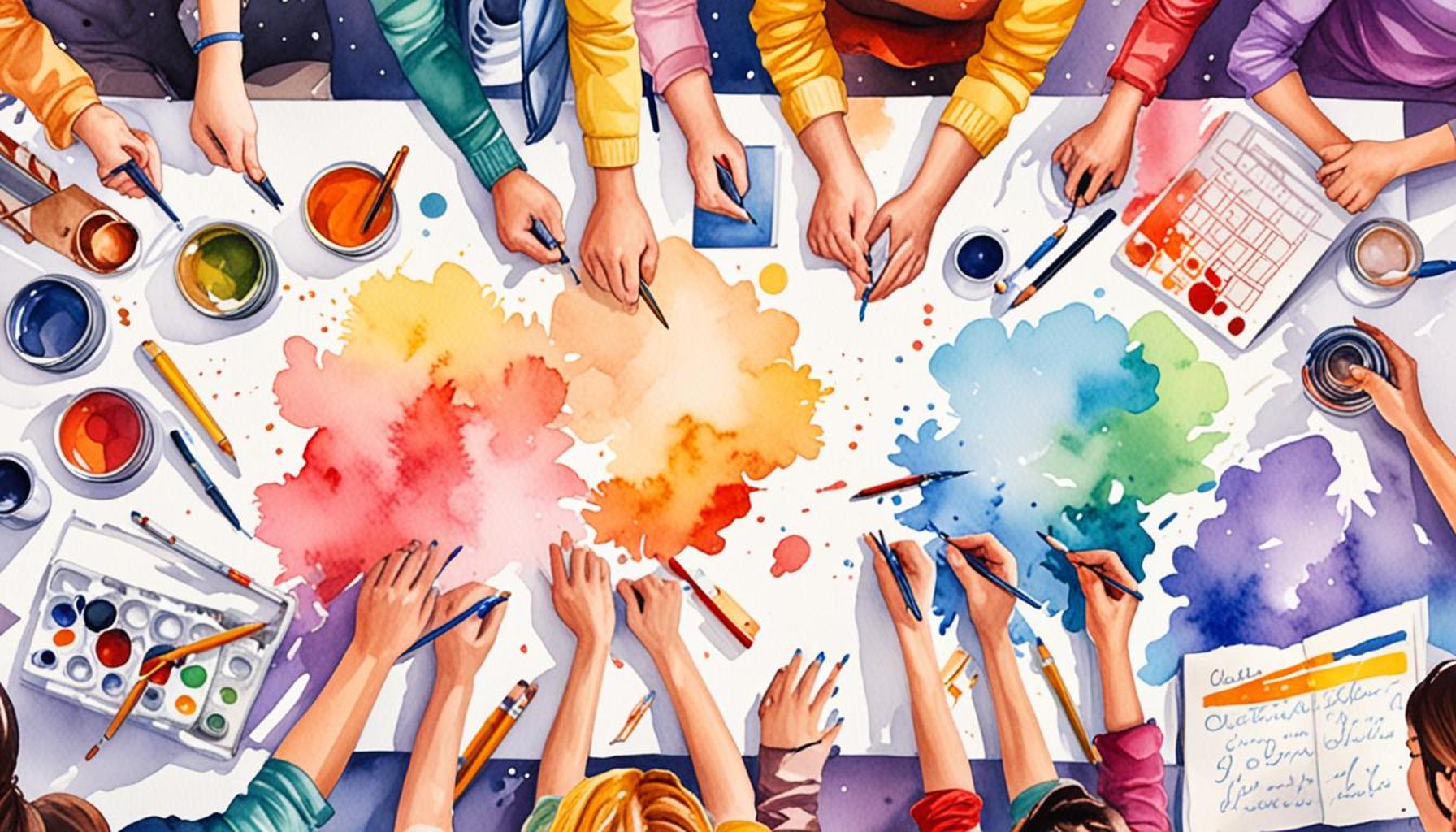
Unleashing Innovation Through Collective Storytelling
In a digital era characterized by hyper-individualism, the emergence of collaborative writing projects signifies a refreshing departure from the norm. These ventures transcend conventional boundaries, culminating in innovative narratives that might not emerge from solitary efforts. Picture a group of writers brainstorming around a table or virtually collaborating across continents. The intersection of their creative energies leads to unique storytelling dynamics that can resonate with broader audiences.
There are several compelling reasons why group storytelling is becoming a pivotal aspect of the creative landscape, enriching not just the individual participants but also the art of storytelling itself:
- Diverse Perspectives: Each participant in a collaborative project introduces their unique experiences, backgrounds, and viewpoints. For instance, a writer from New York may incorporate the fast-paced life of the city, while another from a rural area in the Midwest might draw upon themes of nature and solitude. This melding of narratives creates layers and depth in storytelling, appealing to a wider demographic.
- Shared Responsibility: Collaborating divides the creative workload, allowing writers to focus on their specific strengths. One member might be an excellent plot architect, while another excels in character development. This synergy can lead to a more polished final product, as each individual plays to their strengths while supporting the group.
- Increased Motivation: Collaborating with peers provides a sense of accountability and often results in higher motivation levels. The energy of a group fosters creativity by creating an environment where ideas are freely exchanged. For example, during writing retreats or workshops, writers often leave with not just a draft, but a rejuvenated passion for their work.
Numerous examples illustrate how teamwork can fuel creativity. Annual events like NaNoWriMo (National Novel Writing Month) are emblematic of this movement, encouraging participants to join forces, share their journeys, and motivate each other in achieving the ambitious goal of writing a novel in 30 days. Communities flock to this initiative in various genres, leading to a rich tapestry of stories each year.
Moreover, platforms such as Wattpad and collaborative tools like Google Docs have revolutionized the writing process. They allow writers not only to draft and edit in real time but also to comment and provide feedback instantaneously. This fosters a culture of collaborative growth where writers can refine their craft while cultivating community.
As we delve deeper into the realm of collaborative writing, it becomes clear that this approach is not merely about co-authoring a piece of work. It’s about building connections, sharing ideas, and collectively shaping the narrative landscape. Through collaboration, writers not only enhance their creativity but also redefine what is possible in storytelling, paving the way for a future rich in diverse voices and innovative tales.
DIVE DEEPER: Click here to discover the power of music as a communication tool
Harnessing the Power of Collaboration
As the landscape of writing continues to evolve, collaborative writing projects serve as a unique and effective platform for nurturing creativity among participants. These projects encourage collaborative efforts, leading to the conception of narratives that reflect a blend of disciplines and styles. In this section, we will explore the various aspects of collaboration that enhance the writing process, fostering an environment where creativity can flourish.
The Art of Brainstorming
One of the most valuable benefits of collaborative writing is the collective brainstorming that takes place among writers. When individuals come together to generate ideas, the result is an explosion of creativity that can lead to innovative plotlines and character arcs. Here are a few techniques that groups can utilize during their brainstorming sessions:
- Mind Mapping: Utilizing visual aids to connect ideas and explore different facets of a story.
- Free Writing: Setting a timer for a short duration, where all participants write continuously to generate ideas without worrying about grammar or structure.
- Round Robin: Taking turns sharing story ideas until each writer has contributed their thoughts, which can then be woven into a cohesive narrative.
These dynamic brainstorming techniques not only facilitate the flow of creativity but also help break down barriers that often inhibit individual writers. When writers feel comfortable sharing their ideas without fear of scrutiny, the potential for unique concepts to emerge expands significantly.
Building a Collaborative Narrative
Collaboration plays a crucial role in shaping a narrative that is compelling and engaging. The integration of multiple voices and styles often results in a richer tapestry of storytelling. For example, in collaborative writing initiatives like story circles, participants recount their experiences, allowing the story to be shaped by personal investment and shared emotions. This process doesn’t just create a narrative; it fosters connections between writers who may come from diverse backgrounds.
The fusion of various writing styles can also lead to unique genre-blending opportunities. A group might create an astonishing hybrid of science fiction and historical fiction, drawing on various strengths to craft a story that neither individual might have written in isolation. Such genre-bending creativity expands the horizons of storytelling, providing readers with fresh perspectives that challenge conventional narratives.
Feedback as a Catalyst for Growth
In collaborative settings, feedback becomes a vital tool for growth. Writers critique each other’s work, offering insights and constructive criticism that refine both the narratives and individual craft. This reciprocal feedback loop not only helps in polishing the final story but also elevates the participants’ writing skills. Research indicates that communal feedback can significantly improve individual writing abilities, as it compels writers to consider aspects of their work they might overlook when writing alone.
Ultimately, collaborative writing projects represent a powerful method for expanding creativity through shared experiences and diverse perspectives. By harnessing the energy of group storytelling, writers can unlock new avenues in their craft that would remain undiscovered in isolation, giving rise to compelling narratives that resonate with audiences far and wide.
Unleashing Creativity Through Group Dynamics
In the realm of collaborative writing projects, the synergy generated by diverse groups can transform ordinary storytelling into extraordinary narratives. Engaging multiple perspectives fosters a rich tapestry of ideas, giving rise to unique characters, plots, and themes that might not emerge in solitary writing sessions. The interplay of voices often leads to the incorporation of varied cultural backgrounds, resulting in stories that resonate on multiple levels with audiences worldwide.
Moreover, collaborative writing encourages participants to think critically and constructively. As they share feedback and critique one another’s work, they cultivate a deeper understanding of narrative structure and character development. This peer review process not only enhances individual skills but also promotes a sense of community among writers, making the creative process more enjoyable and less isolating.
Technology has further revolutionized collaborative writing through tools that facilitate real-time editing and brainstorming. Platforms like Google Docs or specialized writing software enable writers to gather instant feedback, enhancing the overall quality of the work. These advancements ensure that group storytelling remains accessible, allowing participants to contribute their thoughts, no matter their location.
Ultimately, when writers come together to share their creativity, they don’t just produce a story; they embark on a journey toward personal growth, collective learning, and a distinctive narrative that reflects the amalgamation of their diverse voices. This process fosters not only creativity but also a deeper appreciation for the art of storytelling itself.
| Category | Advantages |
|---|---|
| Enhanced Creativity | Diverse perspectives merge to create richer narratives. |
| Critical Feedback | Constructive critique improves individual writing skills. |
Exploring collaborative writing projects not only nurtures individual talents but also enriches the entire storytelling landscape. Writers interested in expanding their creative horizons are encouraged to connect, share, and innovate together.
DISCOVER MORE: Click here to learn about the importance of arts education
Fostering a Sense of Community
One of the most profound benefits of collaborative writing projects lies in their ability to cultivate a sense of community among participants. Writing can often be perceived as a solitary endeavor; however, when writers come together, they create a supportive environment that can drastically enhance creative output. By participating in group storytelling, writers develop not only their craft but also valuable relationships that can lead to lifelong connections.
Creating Shared Ownership
In a collaborative setting, the concept of shared ownership becomes pivotal. When each participant contributes to the narrative, they invest emotionally in the project, leading to a greater sense of responsibility and pride in the final product. This shared investment can motivate writers to push their creative boundaries, as they strive to meet not only their expectations but also those of their peers. Furthermore, the communal aspect encourages accountability; knowing that others are relying on their contributions can instill a sense of urgency and purpose.
Successful examples of shared ownership can be seen in collective anthologies, where several authors unite to create a book. Each story contributes to an overarching theme, demonstrating how diverse voices can harmoniously coalesce into a singular narrative experience. Platforms like NaNoWriMo (National Novel Writing Month) not only challenge individual writers to complete a novel but also foster community through forums and local write-ins. This connection often results in ongoing collaboration beyond the initial project.
Interactive Workshops and Writing Retreats
Another avenue for enhancing creativity through collaborative writing is by participating in interactive workshops and writing retreats. These events typically bring writers together to engage in guided exercises that inspire creativity and foster collaboration. During workshops, participants may explore various writing techniques, take part in live discussions, and even compose group stories in real-time. The immediacy of such interactions often leads to spontaneous bursts of creativity, resulting in innovative ideas and newfound styles.
Writing retreats, on the other hand, offer a more immersive experience, often set in inspiring locations that encourage focused writing. By stepping away from daily distractions and engaging with fellow writers, participants can enter a creative flow that enhances the collaborative process. Notable retreats, such as those organized by Squaw Valley Community of Writers or Writers’ Conferences, have shown how powerful such collaborative experiences can be, igniting sparks of imagination that participants may harness long after the retreat concludes.
The Role of Technology in Collaboration
The advent of technology has revolutionized the way in which writers collaborate. With tools like Google Docs, Trello, and various collaborative writing platforms, geographically dispersed writers can easily connect and collaborate in real-time. These tools facilitate seamless editing, document sharing, and project management, allowing for efficient and productive group storytelling. Moreover, online communities, such as Wattpad and Reddit’s writing forums, provide spaces where writers can share their work, obtain feedback, and engage in cooperative storytelling practices.
The digitization of collaborative writing also extends the reach of projects. Writers in disparate locations can unite around common themes or genres, transcending physical borders. Many online writing groups have even participated in shared novel projects, where they create a singular storyline across different chapters, highlighting the rich potential of collaborative writing in today’s digital age.
DIVE DEEPER: Click here to enhance your creative mindset
Conclusion: Embracing Collective Creativity
In summary, collaborative writing projects emerge as a dynamic and enriching approach to storytelling that transcends traditional writing paradigms. By fostering a sense of community, authors come together to inspire and motivate one another, ultimately enhancing their creative processes. The concept of shared ownership further deepens engagement, allowing writers to invest in collective narratives, thus pushing the limits of their creativity. Workshops and writing retreats amplify these benefits, providing structured opportunities for interaction and collaboration that can lead to significant breakthroughs in storytelling.
Moreover, the role of technology cannot be overstated in modern collaborative writing. With digital platforms connecting writers across vast distances, the boundaries of geographical separation fade, enabling diverse voices to contribute to unique stories. Communities formed in these online spaces foster an environment of shared learning and cooperative exploration, encouraging both novice and experienced writers to share their perspectives and talents.
As we continue to explore the potential of group storytelling, it is crucial to recognize the profound impact it has on both individual growth and communal creativity. By harnessing the power of collaboration, writers can unlock new realms of imagination and innovation, paving the way for stories that resonate deeply with audiences. Embracing this approach not only enriches the artistic landscape but also builds lasting connections among creators. The art of storytelling is evolving; thus, for those willing to embrace it, the journey of collaborative writing promises exhilarating discoveries and transformative experiences.