Music and Cultural Identity: Musical Expression as a Reflection of Personal Experiences and Traditions
Understanding the Role of Music in Shaping Cultural Identity
Music is more than just a form of entertainment; it serves as a *powerful medium* for expressing cultural identity. Throughout history, individuals and communities have utilized rhythms, melodies, and lyrics to communicate their personal experiences and shared traditions. As we examine these musical expressions, we find they often reflect the diverse backgrounds and heritage of communities.
In the United States, a melting pot of cultures, the relationship between music and identity becomes particularly pronounced. Below, we explore several significant musical genres that highlight this connection:
- Genres like Jazz and Blues: These styles originated in African American communities and embody rich narratives steeped in history. Jazz, with its roots in New Orleans improvisation, reflects the blending of African rhythms and European harmonies, while the blues tells poignant stories of heartache and perseverance. Artists like B.B. King and Ella Fitzgerald not only showcased their musical talents but also provided a voice for their experiences, shaping a cultural narrative that resonates with many.
- Country Music: Emerging from the rural South, country music encapsulates themes of love, loss, and nostalgia. Artists such as Dolly Parton and Johnny Cash have crafted songs that resonate with the struggles and triumphs of everyday life, bridging gaps between generations. Through lyrics that speak to longing and hardship, country music becomes a window into the Southern identity and its values.
- Hip-Hop: Born in the urban landscapes of the Bronx, Hip-Hop culture has become a vital form of expression for minority youth facing systemic challenges. It is a genre characterized by its raw authenticity, where artists like Kendrick Lamar and Nicki Minaj articulate the complexities of life in marginalized communities. The narratives found within hip-hop highlight issues like inequality, resilience, and the quest for empowerment.
Each of these genres is interwoven with personal narratives, *historical contexts*, and traditions that shape the artist’s voice and influence their communities. The exploration of music encourages us to engage in broader dialogues about identity, culture, and social issues, thus enriching our understanding of the musical landscape.
Diving deeper into the world of musical expression reveals how it articulates the essence of who we are and where we come from. Each note and lyric carries the weight of history and emotion, inviting listeners to reflect on their own identities and cultural backgrounds. In doing so, music becomes a transformative vehicle, uniting individuals by celebrating their differences while also acknowledging their shared experiences.
DISCOVER MORE: Click here to delve deeper
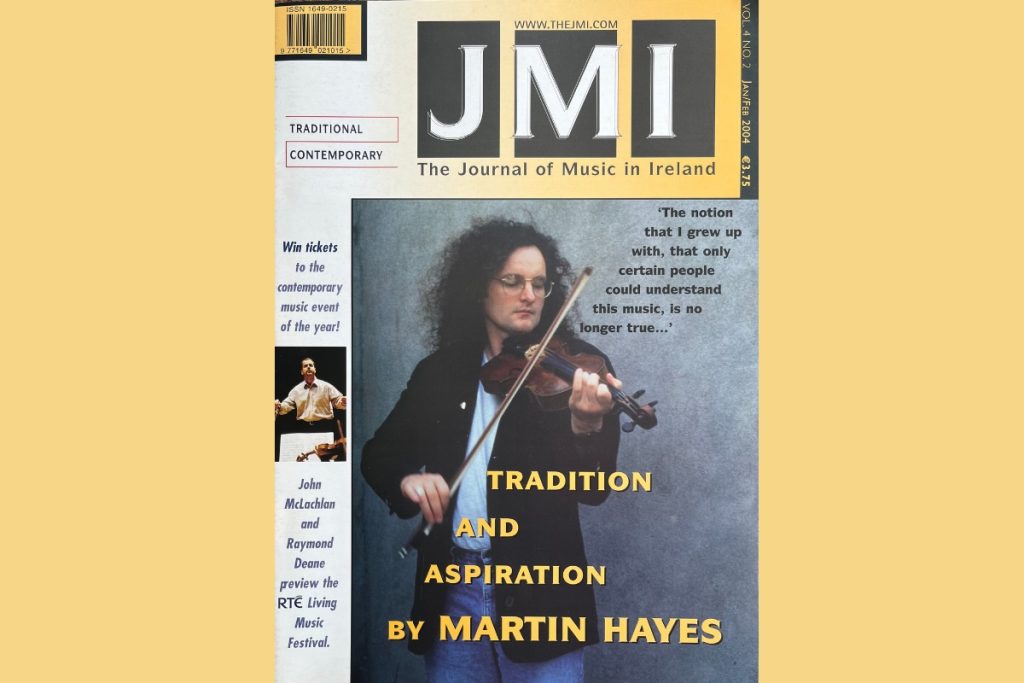
Exploring the Diversity of Musical Expression
The impact of music on cultural identity becomes evident when we consider its ability to connect individuals across generations and communities. Musical genres serve as a reservoir of cultural knowledge, reflecting the intricate tapestry of personal experiences and unique traditions that define various societies. From the heart of communities to the global stage, the soundscapes shaped by music are rich with stories that foster understanding and convey the essence of a culture.
To comprehend the relationship between music and cultural identity, one must consider the elements that influence various musical styles. These elements include the historical background, social circumstances, and geographical factors that contribute to the evolution of a particular genre. Analyses of how these elements manifest in different musical forms can be particularly revealing:
- Folk Music: Often viewed as the backbone of cultural storytelling, folk music carries the melodies and tales of specific regions or communities. For instance, Appalachian folk songs evoke the spirit of resilience and community connectedness. Artists like Joan Baez and Pete Seeger have helped preserve these traditions, allowing audiences to connect with the narratives woven into the fabric of American history.
- World Music: Encompassing a wide array of styles from different countries, world music exemplifies the diverse expressions of cultural identity. Genres like Reggae from Jamaica and Bhangra from India allow listeners to experience the rhythms and philosophies of different cultures. The fusion of these sounds within mainstream music enhances cross-cultural appreciation, making it an essential part of the contemporary music landscape.
- Indie and Alternative Music: These genres have burgeoned as platforms for artists to articulate their unique identities and address societal issues. With a focus on individuality and non-conformity, indie artists like Sufjan Stevens and Fiona Apple explore themes of personal struggle, mental health, and self-discovery, resonating with listeners who seek relatability amidst their own experiences.
These genres reflect a dynamic interplay of cultural heritage and personal narrative, illustrating how music can function as a mirror that reflects the collective consciousness of a community. Personal experiences embedded in lyrics and melodies offer insight into the shared identity of individuals who may feel overlooked or underrepresented in mainstream culture.
Moreover, the globalization of music has allowed for an unprecedented exchange of ideas and sounds, further enriching the conversation surrounding cultural identity. Platforms like social media and streaming services have democratized music distribution, enabling artists from all backgrounds to share their experiences and connect with diverse audiences. As people increasingly engage with various musical genres, they find common ground that fosters unity and cross-cultural understanding.
In summary, as we delve into the intricacies of musical expression, we recognize that it not only reflects individual experiences but also represents the collective identity of cultural groups. These musical narratives invite listeners to explore their own cultural roots while engaging with the traditions of others, thereby enhancing the richness of our shared human experience.
| Cultural Influence | Musical Expression |
|---|---|
| Global Traditions | Reflect diverse narratives through songs and stories. |
| Identity Formation | Articulates beliefs and values, fostering community connections. |
The intersection of music and cultural identity highlights how deeply personal experiences inform artistic expression. Notably, global traditions serve as a backdrop against which individuals craft narratives, weaving personal stories with communal histories. For instance, many cultures employ traditional instruments to transmit their legacies, creating a bridge between generations. Through this process, individuals not only preserve their backgrounds but also allow the world to glimpse their unique perspectives.In this context, musical expression becomes a tool for identity formation, articulating individual and collective values. By engaging with music rooted in tradition, individuals reinforce their sense of belonging within a community. This relationship can foster resilient identities, encouraging others to actively participate in or reflect on their shared cultural heritage. As a result, understanding music’s role in expressing personal experiences can reveal a deeper comprehension of the nuances surrounding cultural identity. Enthusiasts and researchers alike will find a treasure trove of insight worth exploring further.
DISCOVER MORE: Click here for inspiring writing prompts
The Role of Personal Narratives in Shaping Musical Genres
Every note and lyric of a song can serve as a vessel for personal narratives that resonate deeply with the listener’s own experiences. This connection goes beyond mere entertainment; it often acts as a form of catharsis that reflects the struggles, triumphs, and everyday life of individuals from varied backgrounds. Artists such as Bruce Springsteen and Taylor Swift encapsulate this idea beautifully. Through their storytelling, they traverse themes associated with love, heartbreak, and personal growth, which in turn resonate with countless listeners who find pieces of their lives mirrored in the music.
Consider hip-hop, a genre that was born from the socio-political landscape of African American communities in the 1970s. By infusing their music with the realities of life in marginalized neighborhoods, artists like Kendrick Lamar and Lauryn Hill craft musical narratives that are rich with personal and cultural identities. Their lyrics often address issues such as racism, poverty, and resilience, igniting conversations that extend well beyond the music itself. As listeners engage with these narratives, they not only enjoy the beats but also confront complex discussions around identity and social issues.
Moreover, the connections between music and cultural identity are vividly illustrated through the phenomenon of cultural appropriation. This complex topic emerges when artists from one culture adopt musical elements from another, often leading to intense dialogues about authenticity and respect. For example, prominent pop artists like Ariana Grande and Post Malone have drawn inspiration from genres rooted in African and Caribbean traditions. While this fusion can enhance musical diversity, it also prompts discussions regarding ownership and the responsibility artists have in acknowledging the cultural contexts that inform their sound.
Regional Variations and Community Connections
The diversity of musical expression is also apparent in regional variations that emerge within the United States. The distinct sounds of New Orleans jazz, Texas country, and Chicago blues demonstrate how music can function as a powerful marker of regional identity. Each of these genres not only captures local experiences but also preserves the rich histories of the communities they stem from. Local festivals and concerts become communal gatherings, reinforcing bonds among the audience members and solidifying their collective identity.
In urban settings, genres such as trap music and reggaeton have garnered enormous popularity by serving as vehicles for young artists to express their lived experiences and cultural backgrounds. They achieve this through a sonic architecture that insists on authenticity. When artists such as Bad Bunny or Migos compose their music, they transport audiences to their local neighborhoods, capturing unique narratives while inviting listeners to explore the intersection of personal and cultural identity.
As we explore these multifaceted layers of musical expression, it becomes clear that music does not simply echo the sounds of tradition; it actively reshapes identities. The dialogues fostered among artists and audiences alike contribute to a deeper understanding of oneself and one’s place within the larger cultural mosaic. Thus, music becomes an empowering platform for voices that often go unheard, making way for a shared experience that celebrates both individuality and cultural heritage.
DIVE DEEPER: Click here to discover the evolution of music on social media</
Conclusion: The Harmonious Blend of Music and Cultural Identity
In conclusion, the intricate relationship between music and cultural identity serves as a profound reminder of how musical expression transcends mere entertainment to embody the collective experiences, values, and traditions of diverse communities. Through the lens of personal narratives, artists like Kendrick Lamar and Taylor Swift reveal that each song carries the weight of lived experiences and cultural histories, resonating with listeners who find their own stories echoed in the melodies and lyrics.
Moreover, the complexity of cultural appropriation prompts essential conversations regarding which voices are amplified and whose stories are celebrated within the musical landscape. This dialogue is critical as we navigate the evolving nature of genre and cultural influences, reminding us that music is a living, breathing expression shaped by the communities from which it emanates.
The regional variations in musical styles—from the vibrant rhythms of New Orleans jazz to the storytelling prowess of Chicago blues—illustrate how deeply intertwined community connections and regional identities can be. Music not only reflects cultural heritage but also fosters unity and understanding among listeners, creating a shared space for dialogue and connection.
As audiences engage with this rich tapestry of sound, they are invited to consider the complexities of their own cultural identity and experiences. By celebrating the power of music as a dynamic expression of identity, we honor the artists and communities who continue to shape the landscape of sound. Ultimately, music remains a vital form of connection that celebrates both individuality and the richness of our collective human experience, encouraging us all to listen more deeply and embrace the stories that the rhythms and melodies tell.