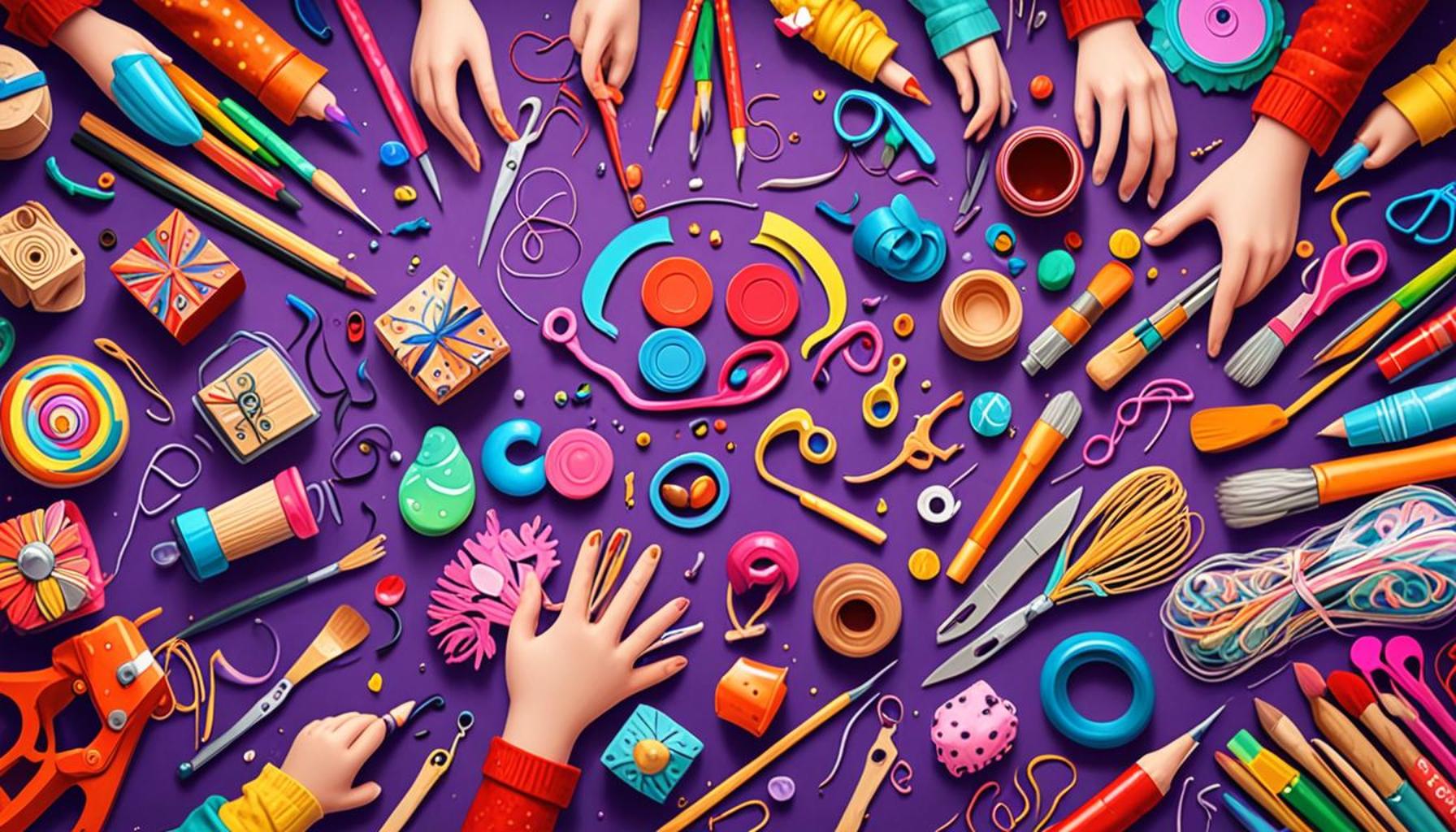
Sustainability in Handicrafts: Creating with Recyclable Materials

Exploring Sustainable Practices in Handicrafts
In an era increasingly concerned with our planet’s health, the intersection of sustainability and handicrafts has emerged as a beacon of hope. Craftspeople and artisans across the United States are turning to recyclable materials to breathe new life into their creations while minimizing environmental impact. This innovative approach not only champions resourcefulness but also inspires others to think creatively about how we can reduce waste.
The Essence of Recycled Crafting
Embracing recycled materials in handicrafts leads to unique outcomes and fosters a sustainable mindset. Here are some compelling reasons to explore this movement:
- Environmental Impact: Using recyclable materials helps decrease landfill waste. According to the Environmental Protection Agency (EPA), about 292.4 million tons of waste were generated in the United States in 2018, a significant portion of which could have been repurposed or recycled.
- Creativity: Artists can experiment without the fear of wasting resources. For instance, a crafters’ community in Portland, Oregon, holds regular “upcycling parties” where participants bring their unused materials and collaborate to create new art pieces, showcasing the innovative potential of recycling.
- Community Engagement: Local workshops can spark conversations about sustainability. Cities like San Francisco have communities dedicated to sustainable arts, where workshops focus not only on techniques but also educate participants on the environmental benefits of using recycled materials.
From repurposing old newspapers into intricate paper-mâché sculptures to transforming plastic bottle caps into vibrant mosaic art, the possibilities are endless. Artists like John Dahlsen, who creates stunning artworks from discarded materials, demonstrate how recycling can serve as a foundation for artistic expression. Similarly, craftswomen across the Midwest are known for turning vintage fabrics into contemporary clothing, marrying style with sustainability.
The movement extends beyond individual creativity; it is a collective awakening towards mindful consumption. Organizations like the Craft and Hobby Association are leading discussions on how crafters can play a pivotal role in sustainable living by implementing practices such as sourcing materials responsibly and adopting zero-waste methodologies.
As you delve into the world of sustainability in handicrafts, you’ll discover not only stunning creations but also a deeper connection to the materials we often overlook. The movement is more than just a trend; it represents a fundamental shift in crafting culture, urging all creators to make conscious choices that inspire change. By embracing recycled materials, we not only contribute to environmental preservation but also add unique stories to the pieces we create.
DISCOVER MORE: Click here to dive deeper
Unleashing Creativity through Recycled Materials
The world of handicrafts is rich with stories, experiences, and a touch of magic that comes from transforming the ordinary into the extraordinary. As we emphasize sustainability, the potential of recyclable materials is becoming more significant than ever. Artists and craftspeople are harnessing waste in fascinating ways, showcasing the art of upcycling while championing environmental consciousness.
Innovative Uses of Recyclables
When artisans incorporate recyclable materials into their work, it opens up a realm of innovative possibilities. Consider the humble cardboard box; instead of being discarded, they can become chic organizers, decorative wall art, or even whimsical sculptures. Similarly, glass jars, often found in kitchen cupboards, are reinvented into stylish candle holders or planters, marrying function with aesthetic appeal.
Below are some of the most exciting materials being repurposed in the world of handicrafts:
- Plastic Bags: Many artists are weaving together plastic bags to create durable shopping totes, reducing both waste and the reliance on single-use plastic.
- Old Clothing: The trend of “visible mending” empowers crafters to repair and decorate worn garments, thus extending their life and reducing fast fashion consumption.
- Wine Corks: After a toast, wine corks can find new life as bulletin boards, coasters, or decorative ornaments, showcasing creativity in even the smallest fragments.
- Paper Products: From magazine collages to book page art, the craft community is actively turning paper waste into striking visual masterpieces.
Artisans like Ellen Jewett, known for her intricate sculptures made from discarded plastics, are paving the way for conversations about marine pollution and waste management through their artistic expressions. Furthermore, local initiatives across the United States are gaining traction, where crafters collaborate to gather materials and create community-driven art pieces that symbolize unity and sustainability.
The desire to create with recyclables extends beyond aesthetics; it fosters a sense of responsibility toward our environment. Workshops in bustling cities like New York and Chicago are engaging individuals of all ages in sustainable crafts, where participants learn about sourcing materials and the positive effects of reusing rather than repeating. Sessions often tackle the impacts of waste on local ecosystems, prompting participants to rethink their crafting habits.
In essence, crafting with recyclable materials is about more than just making art; it’s a step toward a more sustainable lifestyle. By focusing on what can be repurposed, we actively challenge consumerism and advocate for ethical choices. This intersection of creativity and ecology paves the way for a new generation of makers who are enthusiastic not only about the craft itself but also about nurturing our planet for future generations.
| Advantages | Impacts on Communities |
|---|---|
| Environmental Conservation | Promotes eco-friendly practices by reducing waste. |
| Economic Opportunities | Enhances local economies through sustainable entrepreneurship. |
| Creativity and Innovation | Encourages artistic expression and resourcefulness among artisans. |
| Community Engagement | Fosters collaboration and social connections through workshops. |
The theme of sustainability in handicrafts emphasizes the creation with recyclable materials, providing an inspiring shift in the crafting landscape. This approach not only conserves valuable resources but also actively combats pollution and waste, making it a vital aspect of environmental conservation. Moreover, artisans who embrace these principles often find new economic opportunities, opening pathways for entrepreneurship within their communities. Additionally, the act of repurposing items leads to greater creativity and innovation, inspiring artisans to create unique products that tell a story while maintaining an eco-friendly focus. Community engagement is another valuable benefit, as workshops and collaborative projects foster social connections and knowledge sharing. Through sustainability, handicrafts begin to merge artistry with purpose, promoting a healthier planet for future generations. The shift to recyclable materials is a transformative movement in the crafting world, encouraging everyone to rethink the way we create.
DISCOVER MORE: Click here to learn about the significance of crafts
Building Community and Crafting Awareness
As artisans dive into the realm of recyclable materials, they not only explore innovative crafting techniques but also create a vibrant community culture centered around sustainability. Local craft fairs, workshops, and online forums are buzzing with individuals eager to share their knowledge, experiences, and tips on how to creatively reuse materials. This vibrant exchange fosters a sense of belonging among crafters and reinforces the notion that conscious consumerism is not just an individual effort, but a collective movement.
The Rise of Eco-Friendly Crafting Communities
Across the United States, numerous organizations are dedicated to promoting sustainability within the handicraft scene. For instance, the Upcycle Exchange, a platform based in Seattle, connects artisans with surplus materials from businesses and households. This initiative not only diverts materials from landfills but also promotes creativity by matching crafters with unique items waiting for a second life. Events organized by such platforms often bring together designers and hobbyists alike, where collaboration leads to breathtaking projects that emphasize community-driven sustainability.
Moreover, social media platforms such as Instagram and Pinterest have become essential tools for makers, allowing them to showcase their upcycled creations while inspiring others to embark on similar journeys. Hashtags like #SustainableCrafting and #UpcycledArt have gained traction, making it easy for individuals to connect and exchange ideas globally. This online community plays a crucial role in advocating for eco-friendly practices within the arts, spotlighting success stories, and demonstrating that creativity knows no bounds when it comes to saving the planet.
Educational Initiatives and Workshops
Educational institutions are also recognizing the importance of integrating sustainability into their arts curricula. Several universities across the United States, such as the Rhode Island School of Design, now offer courses focused on sustainable practices in design and handicrafts. Students are encouraged to explore the intersection of creativity and environmental responsibility, pushing boundaries to imagine alternative futures shaped by their artistic visions.
Workshops that focus on eco-conscious crafting are increasingly popular at local community centers and libraries. These gatherings serve as an important touchpoint for all ages, providing a space where young artists can learn to appreciate the value of recycling materials in a hands-on manner. Families participating in these activities not only create cherished keepsakes but also cultivate an understanding of sustainable practices to carry forth into their lives.
The Economic Impact of Sustainable Handicrafts
The movement towards sustainable handicrafts is also having a considerable economic impact. More makers are establishing small businesses centered on upcycled products, tapping into a growing consumer base that prioritizes ecological mindfulness. Markets like the Brooklyn Flea feature vendors whose stands are filled with imaginative, eco-friendly items, attracting patrons eager to support local artisans while making environmentally aware purchasing decisions.
Research indicates that consumers are increasingly motivated by sustainability in their buying habits; statistics show that around 50% of millennials are willing to pay more for products from brands committed to sustainability. This shift offers artisans the chance to carve out a niche that not only celebrates their craftsmanship but also aligns with consumer values focused on a greener future.
As the world of handicrafts continues to evolve, the integration of recyclable materials ignites a transformative journey that melds creativity with eco-consciousness, reinforcing that with every stitch, glue stick, or paintbrush stroke, we have the power to create a better world.
DISCOVER MORE: Click here to dive deeper
Conclusion: Crafting a Sustainable Future
In a world where environmental concerns are at the forefront, the movement towards sustainability in handicrafts powered by recyclable materials is both timely and imperative. As artisans engage in upcycling, they not only reduce waste but also breathe new life into discarded items, turning them into beautiful and functional works of art. This creative approach enhances community connections, as crafters share experiences and knowledge, fostering a collective spirit that champions eco-friendly practices.
Moreover, the economic implications of sustainable handicrafts are profound. As more consumers prioritize sustainability in their purchasing behavior, artisans benefit from a burgeoning market that values social responsibility. Initiatives such as craft fairs and online platforms like Etsy and social media play a significant role in empowering small businesses and local makers while promoting environmental stewardship.
Educational programs focused on sustainable practices equip the next generation of artists with the tools to innovate and inspire. By incorporating recycling into their creative endeavors, they pave the way for future artisans to think critically about their materials and the impact of their choices. The fusion of artistry and environmental consciousness signifies more than just aesthetic appeal; it mirrors a societal shift towards a more sustainable future.
Ultimately, every handcrafted piece born from recycled materials contributes to a larger narrative of hope and responsibility. By embracing eco-conscious crafting, we each become an integral part of a movement that championed creativity, community, and care for our planet. As we continue to explore and expand this fascinating realm of possibilities, let us remember that our actions today lay the foundation for a more sustainable world tomorrow.