The Importance of Intentional Spaces in Reducing Stress and Increasing Productivity
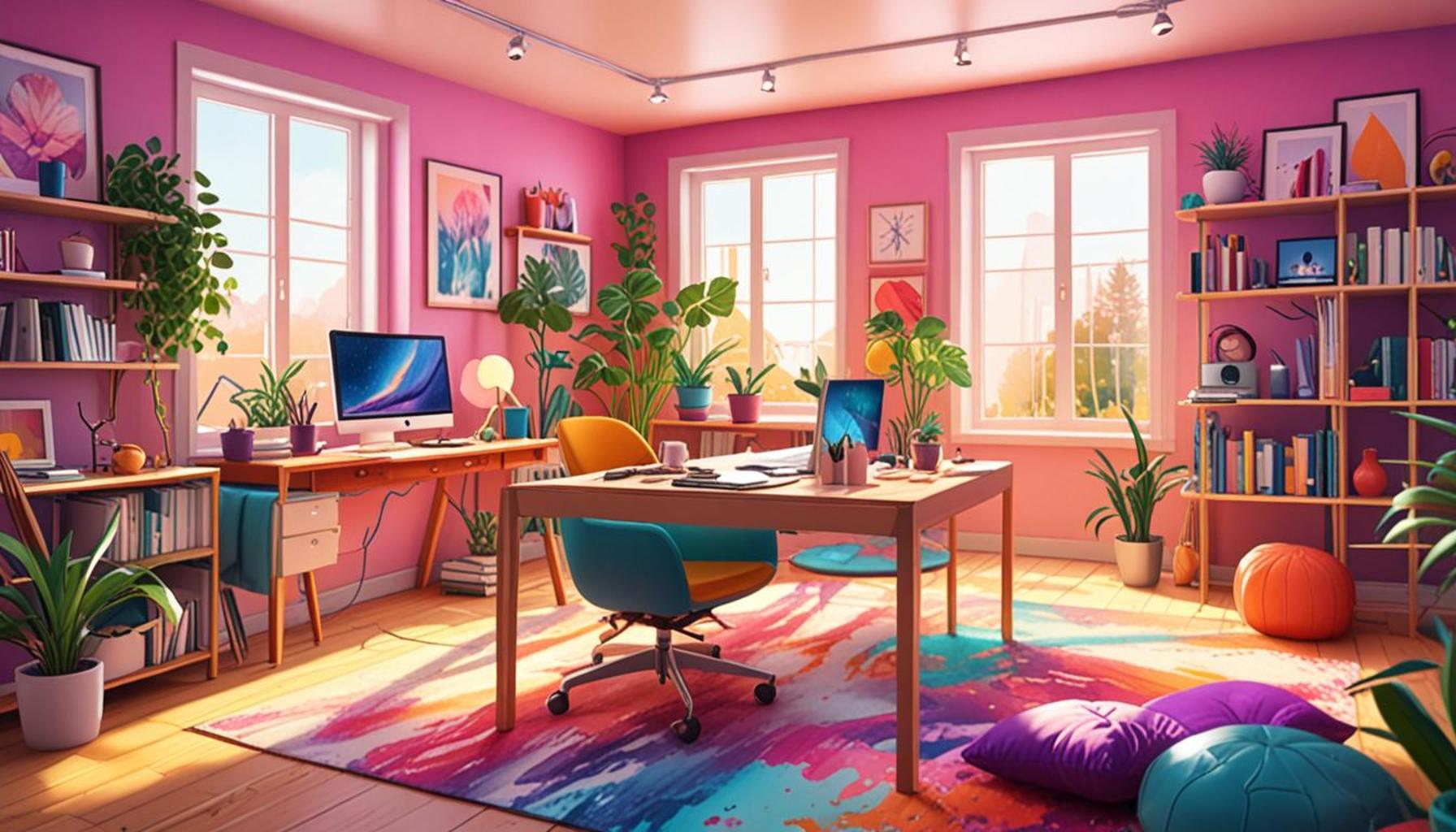
Creating Zones of Focus
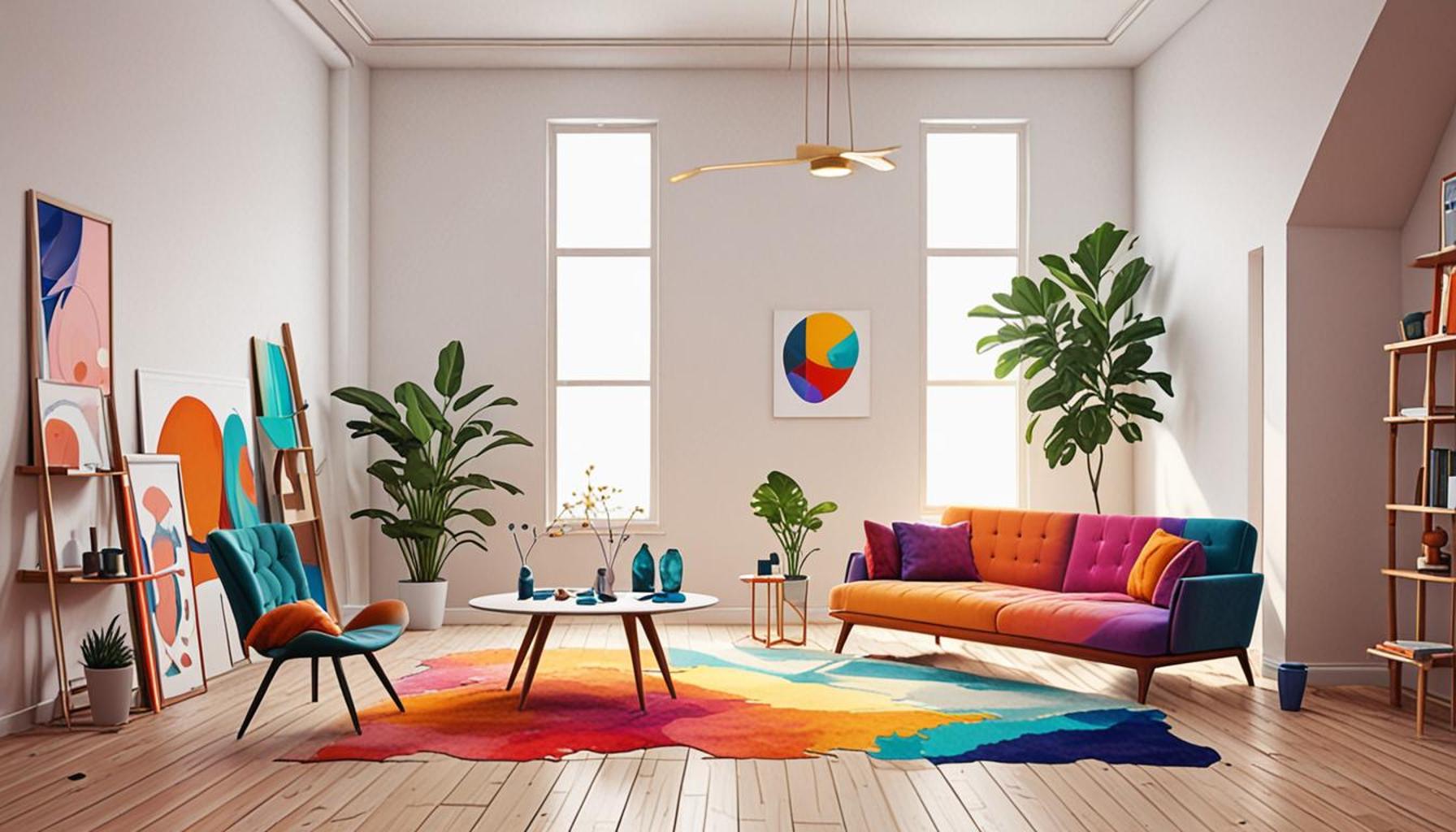
In today’s fast-paced world, the need for intentional spaces is more crucial than ever. These environments are designed specifically to minimize stress and enhance productivity, allowing individuals to thrive both personally and professionally. A well-structured space can significantly impact how we work and feel. With so many distractions in modern life, dedicating space to intentional focus can be a transformative experience.
Benefits of Intentional Spaces
- Stress Reduction: A clutter-free environment fosters calm and serenity, thereby reducing anxiety levels. For instance, a clean desk can lead to clearer thinking, enabling a smoother workflow. Scientific studies suggest that environments plagued with clutter can create a sense of chaos and overwhelm that translates to increased levels of cortisol, the stress hormone.
- Increased Focus: Designated work zones, whether at home or in the office, enable individuals to concentrate better. For example, creating a specific area with minimal distractions—such as a quiet nook or a dedicated office—can signal to your brain that it’s time to focus. This practice is essential for remote workers who might find it challenging to separate work from leisure activities in a shared space.
- Enhanced Creativity: Thoughtfully arranged spaces can inspire innovative thinking and problem-solving. Many companies, like Google and Apple, have invested in creative workspaces to encourage collaboration and creative thinking among their employees. Elements like whiteboards, comfortable seating, and breakout areas contribute to brainstorming sessions resulting in groundbreaking ideas.
When considering how to set up effective intentional spaces, there are several critical elements to keep in mind:
- Natural Light: Access to sunlight is known to boost mood and energy levels. Studies have shown that exposure to natural light during the workday can reduce eyestrain and fatigue while enhancing overall well-being. Homes with large windows or those located near parks can benefit immensely from this aspect.
- Comfort: Ergonomically designed furniture can prevent physical discomfort and increase productivity. Investing in an ergonomic chair or an adjustable desk can make a significant difference in how one feels during long hours of work. The consumer market has seen a rise in adjustable standing desks and supportive chairs due to the increased awareness of their benefits.
- Greenery: Incorporating plants into your workspace can purify the air and create a more inviting atmosphere, significantly reducing stress. Studies show that greenery not only beautifies an area but also lowers blood pressure and improves mood, making them ideal for both home offices and corporate environments.
Research consistently shows that the design of our environments directly influences our psychological well-being. By thoughtfully adopting intentional spaces in our homes and workplaces, we can actively shape our experiences, fostering healthier minds and more productive habits. In a society increasingly reliant on technology and high-paced lifestyles, the importance of these intentional environments cannot be overstated. They empower us to gain control over our surroundings, ultimately impacting our personal and professional aspirations for the better.
DISCOVER MORE: Click here for minimalist organization tips
Designing Productive Environments
The layout and design of our workspaces play a vital role in shaping our mental states and overall productivity. By consciously designing spaces that cater to our needs, we can significantly enhance our ability to focus and innovate. The concept of intentional spaces hinges on the idea that the environment in which we operate can either propel us forward or hold us back.
Furniture and Layout Considerations
One of the primary factors in creating intentional spaces is the choice of furniture and its layout. Ergonomic furniture is paramount in establishing a comfortable environment conducive to productivity. Studies indicate that uncomfortable seating arrangements can lead to physical strain and distraction, affecting overall efficiency. Consider investing in ergonomic chairs that support good posture or adjustable desks that allow you to alternate between sitting and standing. This flexibility can elevate your work experience, leading to improved focus and diminished discomfort.
Furthermore, the layout of your workspace should encourage movement and collaboration. Open spaces can foster communication among team members, while quiet zones can provide the focus needed for deep concentration. By strategically placing desks, chairs, and communal areas, you can create a dynamic environment that adapts to various tasks and working styles.
Personalization: Making Spaces Your Own
Intentional spaces should also reflect individual preferences and work styles. Personalization of a workspace can enhance emotional connections to the environment, aiding motivation and creativity. This could include incorporating personal items such as photographs, artwork, or motivational quotes that resonate on a personal level. Research shows that when individuals feel a sense of ownership over their workspace, their engagement and productivity levels increase. For teams, collaborative environments can benefit from input on how to arrange areas to foster creativity and open dialogue.
The Role of Technology
Incorporating technology seamlessly into intentional spaces can also drastically affect productivity. Smart solutions, including adjustable lighting and climate control, can create an optimal working atmosphere. Lighting, for instance, plays a crucial role in maintaining energy levels; well-placed task lighting can combat fatigue and encourage focus. Furthermore, tech solutions like noise-canceling headphones or acoustic panels can significantly reduce distractions in open offices, offering individuals the personal space they need to concentrate effectively.
As we navigate an increasingly digital world, the integration of technology and thoughtful design is paramount. These elements work synergistically to create spaces that not only reduce stress but also amplify productivity. By taking a proactive approach to design and layout, individuals and businesses alike can foster environments that unlock the full potential of their people.
| Advantages of Intentional Spaces | Description |
|---|---|
| Enhanced Focus | Intentional spaces minimize distractions, allowing for improved concentration and better task completion. |
| Stress Reduction | Dedicated areas designed for relaxation promote mental well-being, reducing anxiety and enhancing overall mood. |
| Creativity Boost | Surroundings crafted with purpose stimulate innovative thinking, fostering a more creative workflow. |
| Work-Life Balance | Intentional spaces help delineate personal and professional areas, promoting healthier work-life boundaries. |
The significance of intentional spaces cannot be overstated in today’s fast-paced environment. By creating designated areas conducive to productivity, individuals can tap into a range of benefits that significantly impact their mental and emotional well-being. Research suggests that spaces designed with intention lead to enhanced productivity and lower stress levels, ultimately resulting in a better quality of life. Emphasizing understated aesthetics, comfortable furniture, and strategic organization can positively influence performance, enabling one to thrive in both personal and professional domains. For those seeking to explore further, the synergy between environment and individual psychology presents vast opportunities. By redesigning our surroundings, we take crucial steps towards fostering enhanced focus, creativity, and improved emotional states, making the exploration of intentional spaces a worthwhile endeavor.
DISCOVER MORE: Click here to dive deeper
Nature and Wellness: The Integration of Biophilic Design
Amidst the hustle and bustle of office life, the integration of nature into the workspace—known as biophilic design—is emerging as a crucial component in creating intentional spaces that resonate with both mental and physical well-being. This design philosophy is based on the idea that humans have an inherent tendency to seek connections with nature, and incorporating natural elements into work environments can yield profound benefits.
The Calming Effect of Nature
Research highlights that exposure to natural elements—such as plants, natural light, and outdoor views—can significantly enhance mood and reduce stress levels. For instance, studies have shown that workplaces with greenery can lower anxiety and increase concentration by as much as 15%. The addition of plants not only purifies the air but also serves as a visual reminder of the natural world, providing a comforting touch in a predominantly artificial environment.
Moreover, natural light has been linked to improved productivity levels and overall well-being. Offices designed to maximize sunlight help regulate circadian rhythms, which in turn enhances sleep and energy levels. It is no surprise that firms such as Google and Apple have adopted these principles in their architectural designs, boasting expansive windows and open-air spaces that invite the outside in.
Creating Dedicated Relaxation Areas
Transitioning from the traditional desk setup, intentional spaces should also include areas specifically designed for relaxation and rejuvenation. The implementation of wellness corners or meditation rooms within offices can provide employees with much-needed breaks from their tasks. These spaces allow individuals to decompress, meditate, or simply enjoy a moment of quiet reflection. By giving employees an opportunity to step away from their computers and recharge, such spaces contribute to reduced stress and a more balanced work-life experience.
Sound and Acoustics: Cultivating a Peaceful Atmosphere
The auditory landscape of a workspace is a critical yet often overlooked component of intentional space design. The sounds that surround us can have a profound impact on our concentration and stress levels. Acoustic design focuses on managing sound within the environment, and incorporating sound-absorbing materials can help create more tranquil working conditions.
- Use of carpets and upholstered furniture can significantly reduce echo and noise levels.
- Implementing designated quiet zones allows employees to work without distractions.
- Music and ambient soundscapes tailored to work tasks can enhance focus and creativity when appropriately applied.
Firms like Spotify have recognized the importance of sound management in design, offering various workspace environments that cater to different auditory preferences, thus promoting better focus for their employees.
The Shift Toward Remote and Hybrid Workspaces
As the landscape of work continues to evolve, the rise of remote and hybrid workspaces presents opportunities to rethink how we design intentional spaces. Employers are now tasked with creating not only physical offices but also virtual environments that foster collaboration and connection. The digital tools and platforms utilized in remote work can enhance team dynamics and productivity, reflecting the essence of intentional space design in a digital realm.
For example, companies are leveraging collaborative software tools that allow teams to communicate effectively, fostering a sense of community and shared purpose from disparate locations. By intentionally designing both physical and virtual workspaces, organizations can cultivate an inclusive atmosphere that ultimately enhances employee engagement and productivity.
DIVE DEEPER: Click here to enhance your time management skills
Conclusion: The Transformative Power of Intentional Spaces
In an era where stress and burnout are rampant, the emphasis on intentional spaces within our work environments is more crucial than ever. These thoughtfully designed areas not only combat stress but also promote enhanced productivity through methods such as biophilic design, dedicated relaxation zones, and sound management. By blending natural elements within office layouts, creating quiet retreats, or optimizing acoustic conditions, organizations can foster a culture of well-being that resonates with employees on multiple levels.
The shift towards remote and hybrid workspaces further underscores the need for innovative approaches in creating intentional spaces. As companies navigate this new landscape, virtual environments that encourage collaboration and community can greatly impact employee satisfaction and productivity. Harnessing technology to replicate the benefits of physical spaces, such as connecting through collaborative platforms, can keep employees engaged and motivated regardless of their location.
Ultimately, the transformative power of intentional spaces lies in their ability to elevate both mental health and work performance. By prioritizing such designs, organizations position themselves not only as leaders in productivity but as advocates for their employees’ well-being. As we delve further into the future of work, embracing the significance of intentional spaces will be key in cultivating healthier, more effective workplaces. Individuals and employers alike must recognize that investing in these elements is an investment in both workforce morale and organizational success.